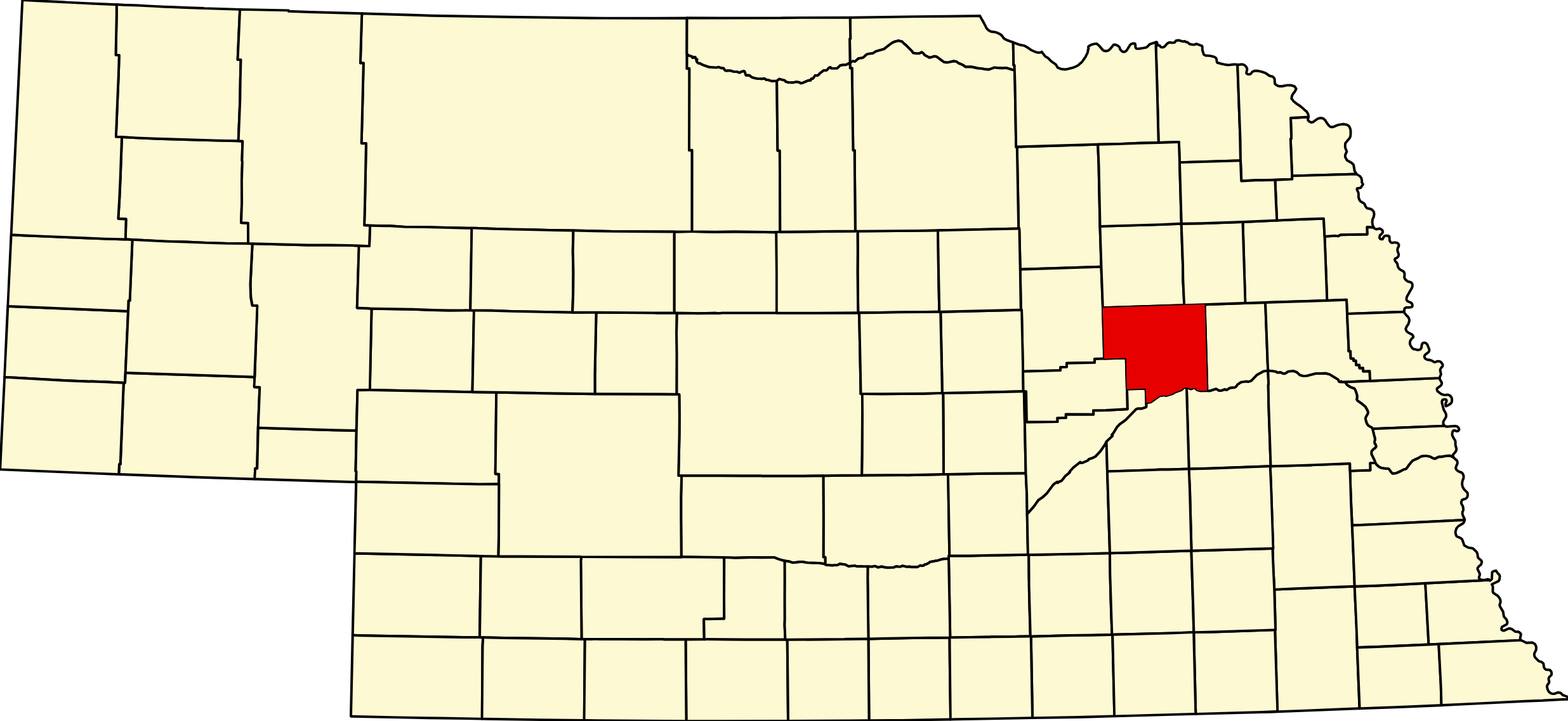
Platte County, Nebraska (Plate 10)
Platte County Cameras
Visitor & Travel Categories
Business & Economic Categories
Platte County, Nebraska
County Seat: Columbus
Founded: 1855
Named For: The Platte River
License Plate Prefix: 10
Population: 34,296 (2020 census)
Area: 685 sq mi
History
Platte County was established in 1855 and named after the Platte River, the major waterway that shaped early settlement and transportation across Nebraska. Columbus, founded by a group of German settlers in 1856, became the county seat and grew into a major regional hub due to its strategic location along the river, railroads, and later the Lincoln Highway.
The county’s history reflects waves of immigration—especially German, Czech, and Irish communities—along with the development of agriculture, industry, and transportation networks that connected eastern and central Nebraska.
Geography
Location: East‑central Nebraska along the Platte River
Landscape: River valleys, fertile farmland, rolling prairie, and growing urban centers
Adjacent Counties:
- Colfax County (east)
- Butler County (southeast)
- Polk County (south)
- Merrick County (west)
- Boone County (northwest)
- Madison County (north)
- Stanton County (northeast)
Culture & Landmarks
- Pawnee Plunge & Lost Creek Parkway – Recreation areas central to Columbus community life.
- Platte River Corridor – Wildlife habitat, scenic views, and outdoor recreation.
- Historic Downtown Columbus – Architecture and landmarks reflecting 19th‑ and early 20th‑century development.
Notable Communities
- Columbus – County seat and major regional commercial center.
- Monroe – Village with strong agricultural roots.
- Lindsay – Community known for manufacturing and rural heritage.
- Creston, Humphrey, Platte Center – Small towns with deep farming traditions.
Events & Attractions
- Columbus Days – One of the region’s largest community festivals.
- Platte County Fair – Livestock shows, rodeo events, and agricultural exhibits.
- Outdoor Recreation – Fishing, boating, and scenic drives along the Platte River.
- View the full Platte County Events calendar →
Living in Platte County
Platte County blends agriculture, industry, and small‑town life with growing urban amenities. Columbus provides major services, healthcare, and commerce, while surrounding towns maintain strong rural traditions. Residents value the area’s heritage, economic diversity, and community‑centered lifestyle.
Platte County Road Map
Download the printable county road map (PDF, Nebraska Dept. of Transportation)
Platte County Road Map
Download the printable county road map (PDF, Nebraska Dept. of Transportation)
Outdoors — Camping, RV, Hunting & Fishing
There is no state park or state recreation area in Platte County. The camping here is run by the Loup Power District, and it comes with one rule an RV traveller must know before setting out.
The Loup Power District parks
Five parks, all free, no reservations, seven days maximum in any thirty across the whole system, alcohol-free, no lifeguards, open 1 May to 1 November weather permitting. Status line (402) 562-5709.
🔴 Loup Power District states plainly, for every one of its parks: “There are no dump stations or direct water hookups.” Potable water is at hydrants from May to September at the developed parks, and restrooms are seasonal. Plan your tanks accordingly.
Lake North Park, four miles north of US-30 on 18th Avenue, Columbus — 14 acres with electrical hookups and primitive camping in summer, seasonal restrooms, two boat ramps, playground and grills, and year-round trails linking to Loup Park.
Loup Park at Lake Babcock, three miles north of Columbus — 31 acres along the north and west shores, electrical hookups and primitive camping, seasonal restrooms, and the paved Two Lakes Trail.
Powerhouse Park, three miles north on 3rd Avenue — 4.5 acres, limited primitive sites weekends only in summer. Swimming prohibited; canal-bank fishing is popular but the banks are steep.
⚠ Tailrace Park is foot access only — no vehicle access, and no use for an RV. Nine and a half acres at the confluence of the canal and the Platte, with a few primitive walk-in sites. Swimming is prohibited; tailrace conditions are dangerous.
The Lake Babcock rules people get wrong
Under state regulation, Lake Babcock, Lake North and the adjoining land are a designated refuge, and all hunting within the posted area is prohibited. Boats may not be operated on the refuge during the open waterfowl season — except on Lake North, where boating for pleasure or fishing is allowed year round. If you are planning to hunt or to launch here, read the posted signs first.
Fishing
Lake North and Lake Babcock are the county’s main still waters, with two ramps at Lake North. Fishing is permitted along the whole length of the power canal except where posted. The Loup and Platte rivers meet just east of Columbus — channel and flathead catfish, fished from the bank. No park entry permit applies anywhere in the county.
Trails
The Two Lakes Trail at Loup Park is paved, with crushed-limestone paths linking through to Lake North — the best walking and cycling in the county, and open year round even when the camping season has closed.
Platte County at a Glance
Platte County, Nebraska — where the Loup meets the Platte, and the commercial centre of east-central Nebraska. County seat Columbus, founded 1856 by a Columbus, Ohio company and once seriously proposed as the site of the United States capital, on the argument that it sat near the geographic centre of the country. 222 listings across 10 towns.
Getting there: US-30 and US-81 cross at Columbus; NE-15, NE-22 and NE-91 serve the rest of the county.
For visitors: the Loup Power District parks at Lake North and Lake Babcock — free camping with electrical hookups, two boat ramps and the paved Two Lakes Trail, open May to November. Note that none of the Loup parks has a dump station or water hookups, and that Lake Babcock is a designated refuge where hunting is prohibited.
