Seward County Cameras
Seward County, Nebraska
A corridor of patriotism, prairie towns, and civic pride.
Seward County anchors southeast Nebraska with historic communities, fertile farmland, and a legacy of education and celebration. From Seward’s courthouse square to the quiet charm of Milford and Bee, every town and trail reflects the state’s rural strength and Fourth of July spirit.
County Seat: Seward
Founded: 1855
Named For: William H. Seward, U.S. Secretary of State
License Plate Prefix: 16
Population: 17,609 (2020 census)
Area: 576 sq mi
History
Seward County was established in 1855 and named after William H. Seward, who negotiated the Alaska Purchase. The region was settled by pioneers and German immigrants, with Seward emerging as a center of civic life and patriotic celebration. The county’s history includes education, agriculture, and community resilience.
Geography
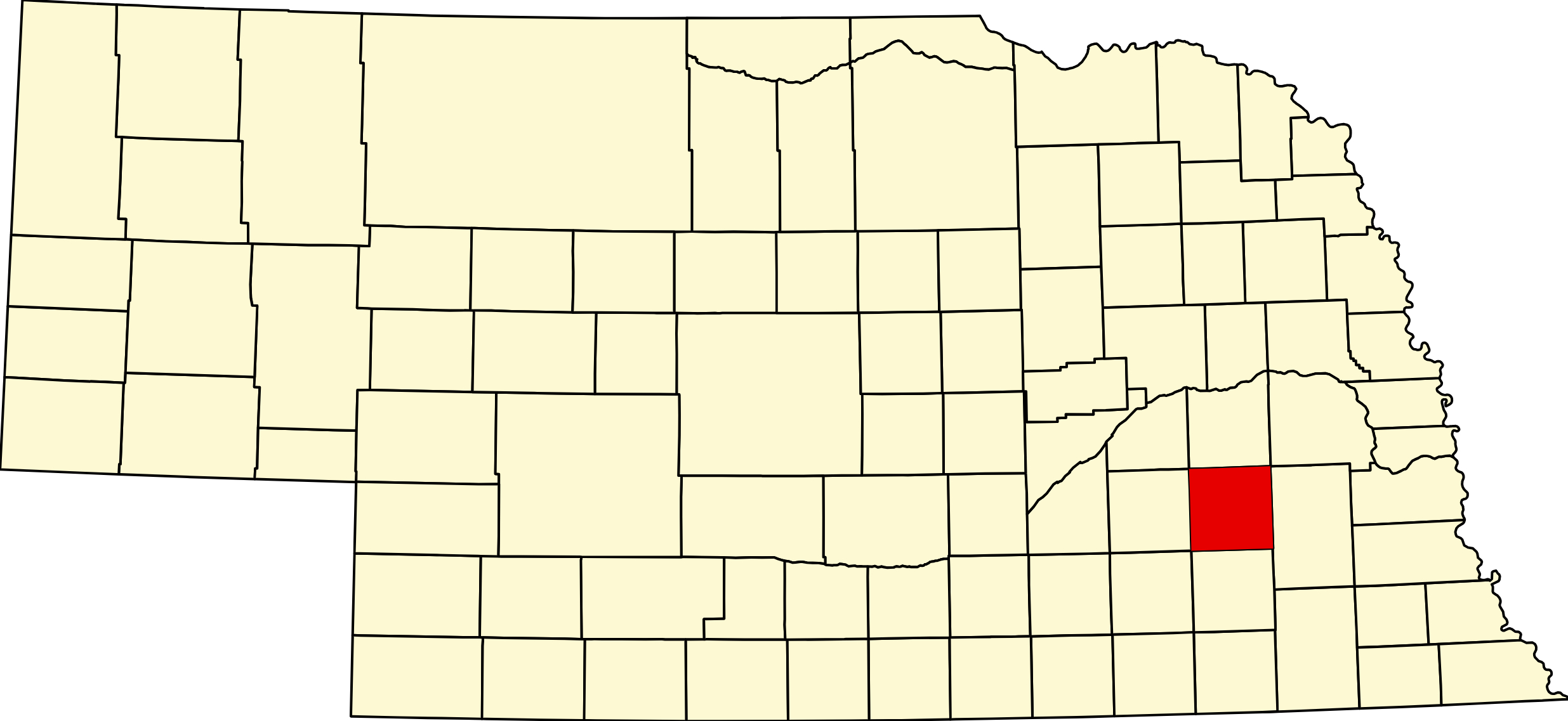
Location: Southeast Nebraska
Landscape: Rolling prairie, farmland, and river valleys
Major Highways: U.S. 34, Nebraska Highways 15, 103
Adjacent Counties:
Butler (N),
Saunders (NE),
Lancaster (E),
Gage (SE),
Saline (S),
York (W)
Culture & Landmarks
- Seward County Courthouse (Seward) – Historic courthouse built in 1905.
- Fourth of July City – Seward’s national reputation for Independence Day celebrations.
- Concordia University – Lutheran liberal arts college in Seward.
Notable Communities
- Seward – County seat and largest town, known for its patriotic events and educational institutions.
- Milford – Home to Southeast Community College and strong civic pride.
- Bee, Utica, Staplehurst, Cordova, Garland, Beaver Crossing, Pleasant Dale, Goehner – Small towns with deep agricultural roots and community spirit.
Events & Festivals
- Seward Fourth of July Celebration – Nebraska’s official celebration with parades, fireworks, and national attention.
- Seward County Fair – Livestock shows, exhibits, and entertainment.
- Milford Fun Days – Parade, games, and family fun.
Natural Attractions & Recreation
- Platte River Trails – Hiking, birdwatching, and scenic drives.
- Community Parks – Playgrounds and picnic areas in Seward, Milford, and surrounding towns.
- Wildlife Viewing – Deer, pheasants, and prairie species across the county.
Living in Seward County
Seward County offers a peaceful rural lifestyle with strong community ties and a proud patriotic legacy. Seward anchors the county with services and events, while towns like Milford and Bee preserve the region’s agricultural and civic traditions. With its festivals, trails, and welcoming spirit, Seward County is a proud part of Nebraska’s southeastern corridor.
Seward County Road Map
Download the printable county road map (PDF, Nebraska Dept. of Transportation)
Seward County at a Glance
Seward County, Nebraska — authorised 16 March 1855 as Greene County, after a Missouri general, and renamed in 1862 for William H. Seward, Lincoln’s Secretary of State; organized 1 October 1865. The town of Seward was platted in 1868 by Lewis Moffitt, but the county seat was not settled on it until 1871, over rival towns. The Midland Pacific reached Seward in 1873–74 and is the hinge of everything that followed. Unusually for rural Nebraska, Seward County’s all-time population peak is now — 17,609 at the 2020 census, past the 16,140 of 1890 and still climbing; the county is part of the Lincoln metropolitan area. 311 listings across 10 towns.
Getting there: Interstate 80 crosses the county past Milford and Goehner, putting Seward inside half an hour of Lincoln. The Big Blue River runs south-southeast through the middle of the county — Milford exists because there was a mill at a ford there, platted in 1866. Beaver Creek at Beaver Crossing is where the old Overland Trail crossed it. Central Time.
Seward is Nebraska’s Official Fourth of July City — and there are two designations, which is worth getting right. Governor J. James Exon proclaimed it in 1973; six years later, in 1979, the United States Congress named it “America’s Official Fourth of July City — Small Town U.S.A.” The town has celebrated since 1868, when the first crowd on the square dug a well and the women sewed a flag to fly over it. The celebration was revived in 1969 under youth leadership and has been run by youth-led committees ever since. It now draws about 40,000 people to a town of 7,600.
The German story, and a name that did not survive the war. Garland was platted in 1874 as Germantown, at a Midland Pacific station, for the settlers who filled it. During the First World War the German papers were shut and the German services stopped, and the village council voted to rename the town for Raymond Garland, the first local soldier to die in the war — of pneumonia, before he ever reached France. Germantown officially became Garland on 11 December 1918, a month after the Armistice. The Germantown State Bank Building still stands there, on the National Register since 1984, carrying the old name. Concordia University at Seward, founded in 1894 as the Evangelisches Lutherisches Schullehrer-Seminar, and the Deutsche Evangelisch Lutherische Zion Kirche at Staplehurst are the county’s other German-Lutheran anchors — though Staplehurst itself was named by settlers from Staplehurst in England, and belongs to a different story.
For visitors: the Seward County Courthouse Square Historic District and the 1904–06 courthouse; the Carnegie library; the Concordia campus. At Bee, the States Ballroom is a twelve-sided dance hall on the National Register since 1981 — there is nothing else like it in the state. Out of doors, Blue River SRA near Milford is day-use only, walk-in river access for anglers after channel and flathead catfish. The City of Seward runs two campgrounds, both first-come, first-served, open 1 April to 1 November: Blue Valley has 16 crushed-rock pads, 30-amp electric and a dump station, and takes tents; Plum Creek has nine pads with 20/30/50-amp service and does not. Bur Oak, Oak Glen and North Lake Basin WMAs and the Freeman Lakes and Tamora Waterfowl Production Areas cover the public ground; the Branched Oak WMA crosses in from Lancaster County even though the lake itself does not.
Born here. Coleen Gray (Staplehurst, 1922, as Doris Jensen), who played opposite Tyrone Power in Nightmare Alley, John Wayne in Red River, and led Kubrick’s The Killing — the county’s strongest native claim and almost never made. Amy Heidemann (Seward, 1986), half of Karmin and now recording as Qveen Herby. Quentin Neujahr (Seward, 1971), All-Big Eight center at Kansas State and 62 NFL games with Baltimore and Jacksonville. And Thad Weber (Seward, 1984), who reached the major leagues as a pitcher in 2012.
Vehicles registered in Seward County carry license plate number 16. See what every Nebraska county number means.
Seward County Businesses & Places
311 listings in Seward County.
Click a category to see the businesses.
Eat & Drink (35)
- Amigos / Kings Classic — American Restaurant, Nebraska
- Anniebel's — American Restaurant, Goehner
- Bagels & Joe Seward — Cafe / Coffee Shop, Nebraska
- Billie's Grilled Cheese — Sandwich & Deli, Nebraska
- Bottle Rocket Brewery — Brewery & Taproom, Nebraska
- Bottle Rocket Brewing Co. — Brewery & Taproom, Nebraska
- Cafe on the Square — Cafe / Coffee Shop, Nebraska
- Domino's Pizza - Seward (132 S 5th Street) — Domino's Pizza, Nebraska
- Dragon Palace — Chinese Restaurant, Nebraska
- Dragonfly — Cafe / Coffee Shop, Milford
- Good Ol Days Bar and Grill — Bar & Grill, Nebraska
- Great Western Dining — American Restaurant, Nebraska
- Hardee's Seward — Hardee's, Nebraska
- Homerun BBQ LLC — Barbecue Restaurant, Milford
- Jimmy John's - Seward — Sandwich & Deli, Nebraska
- Junto Wine / Junto LLC — Winery & Vineyard, Nebraska
- La Carreta Mexican Restaurant — Mexican Restaurant, Nebraska
- La Cocina Mexican Restaurant — Mexican Restaurant, Nebraska
- McDonald's - Seward (1397 Progressive Rd) — McDonald's, Nebraska
- Milford Runza Drive Inn — Runza, Milford
- Neutral Grounds LLC — Cafe / Coffee Shop, Nebraska
- Outlaw Steakhouse — Restaurant, Garland
- P-Dale Pub — Bar & Grill, Nebraska
- Pizza Kitchen - Milford — Pizza Restaurant, Milford
- Red Path Gallery & Cocktail Lounge — Bar & Grill, Nebraska
- Rue 6 - dba The Pasta Barn — Italian Restaurant, Nebraska
- Runza Milford — Runza, Milford
- Runza Restaurant - Seward — Runza, Nebraska
- Scooter's Coffee - Seward — Cafe / Coffee Shop, Nebraska
- Seward Valentino's Pizza — Pizza Restaurant, Nebraska
- Sparetime Lounge & Grill — Bar & Grill, Nebraska
- Subway – 508 North 6th Street, Seward — Subway, Nebraska
- The Crossing Pub & Grub — Pizza Restaurant, Beaver Crossing
- Uptown Tavern Sportsbar & Grill — Bar & Grill, Milford
- What's The Scoop? — Ice Cream & Dairy Bar, Nebraska
Stay (4)
- Beaver Crossing Country Cabin — Cabin, Beaver Crossing
- Cobblestone Hotel & Suites — Hotel, Nebraska
- East Hills Inn & Suites — Hotel, Nebraska
- Liberty House Bed & Breakfast — Bed & Breakfast, Nebraska
Outdoors & Recreation (12)
- Beaver Crossing City Park — Campgrounds & RV Parks, Beaver Crossing
- Blue Bluffs WMA — Public Hunting Areas & WMAs, Nebraska
- Blue Valley Campground — Campgrounds & RV Parks, Nebraska
- Branched Oak WMA — Public Hunting Areas & WMAs, Nebraska
- Bur Oak WMA — Public Hunting Areas & WMAs, Nebraska
- North Lake Basin WMA — Public Hunting Areas & WMAs, Nebraska
- Oak Glen WMA — Public Hunting Areas & WMAs, Nebraska
- Seward/Lincoln West KOA Holiday — Campgrounds & RV Parks, Nebraska
- Shypoke WMA — Public Hunting Areas & WMAs, Nebraska
- Straight Water WMA — Public Hunting Areas & WMAs, Nebraska
- Twin Lakes WMA — Public Hunting Areas & WMAs, Nebraska
- Utica City Park — Campgrounds & RV Parks, Nebraska
Places to Visit (6)
- Bartels Museum and Marxhausen Gallery of Art — Art Museums, Nebraska
- Blue River State Recreation Area — State Recreation Areas, Milford
- Milford Area Historical Society — History & Heritage Museums, Milford
- Nebraska National Guard Museum — Specialty Museums, Nebraska
- Seward County Historical Society Museum — Military Museums, Nebraska
- Seward Creative District Passport — Military Museums, Nebraska
Events & Venues (4)
- Seward County Fair — County Fair, Nebraska
- Seward County Fairgrounds — Fairground, Nebraska
- Seward Fourth of July — 4th of July Celebration, Nebraska
- States Ballroom — Event Venue / Banquet Hall, Bee
Health & Emergency (21)
- Bell Chiropractic — Chiropractor, Nebraska
- Blue Valley Behavioral Health — Mental Health Service, Nebraska
- Bryan Urgent Care Seward — Urgent Care, Nebraska
- Cross Creek Animal Health Care — Mixed / General Practice, Nebraska
- Cross Creek Animal Health Center — Veterinarian, Nebraska
- Enhanced Physical Therapy — Physical Therapy, Nebraska
- Hackbart Chiropractic — Chiropractor, Nebraska
- Home Instead - Seward — Home Health Agency, Nebraska
- Memorial Clinic-Utica — Medical Clinic, Nebraska
- Memorial Health Care Systems — Hospital, Nebraska
- Milford Chiropractic Clinic — Chiropractor, Milford
- Milford Dental Clinic — Dentist & Dental Office, Milford
- Milford Family Medical Center — Medical Clinic, Milford
- MILFORD FAMILY MEDICAL Center — Medical Clinic, Milford
- Pac 'N' Save Discount Pharmacy — Pharmacy, Nebraska
- Seward Animal Hospital — Veterinarian, Nebraska
- Seward Animal Hospital, PC — Mixed / General Practice, Nebraska
- Seward Chiropractic Center, PC — Chiropractor, Nebraska
- Seward Dental Clinic — Dentist & Dental Office, Nebraska
- Seward Smiles Family Dentistry — Dentist & Dental Office, Nebraska
- Seward Vision Clinic (Unity Eye Centers) — Optometrist, Nebraska
Travel Services (1)
- Blue River Rest Area Eastbound — Rest Areas & Travel Plazas, Milford
Shopping & Gifts (10)
- Ana Patricia Boutique — Boutique, Milford
- Chapters Books & Gifts — Gift shop, Nebraska
- Davisson Furniture Center, Inc. — Furniture, Nebraska
- Ehlers Electronics — Electronics, Nebraska
- Et Cetera Gift & Thrift Shop — Gift shop, Nebraska
- Flatland Market and Bar — Grocery, Bee
- Main Street Market — Grocery, Milford
- Merle's Flower Shop — Florist, Nebraska
- Pac 'N' Save (Grocery) — Grocery, Nebraska
- Wal-Mart Supercenter - Seward — Grocery, Nebraska
Community & Faith (85)
- American Cemetery — Staplehurst — Cemeteries, Nebraska
- Anderson Cemetery — Seward — Cemeteries, Nebraska
- Assembly of God — Pentecostal, Milford
- Beaver Crossing Cemetery — Beaver Crossing — Cemeteries, Beaver Crossing
- Beaver Crossing UMC — Methodist Church, Beaver Crossing
- Bellwood Mennonite Church — Other Denomination, Milford
- Bethlehem Lutheran Church — Lutheran Church, Nebraska
- Blue Mound Cemetery — Seward — Cemeteries, Nebraska
- Blue Ridge Cemetery — Seward — Cemeteries, Nebraska
- Calvary Cemetery — Beaver Crossing — Cemeteries, Beaver Crossing
- Camden Cemetery — Seward — Cemeteries, Nebraska
- Cashier Cemetery — Seward — Cemeteries, Nebraska
- Church of Jesus Christ of Latter-day Saints — Seward — Latter-day Saints / Community of Christ, Nebraska
- Dry Creek Cemetery — Utica — Cemeteries, Nebraska
- East Fairview Cemetery — Milford — Cemeteries, Milford
- Englehaupt Cemetery — Seward — Cemeteries, Nebraska
- Evangelical Lutheran Cemetery — Milford — Cemeteries, Milford
- Faith Lutheran Church — Lutheran Church, Nebraska
- Faith Lutheran Church Cemetery North — Staplehurst — Cemeteries, Nebraska
- Faith Lutheran East Cemetery — Seward — Cemeteries, Nebraska
- First Methodist Cemetery — Goehner — Cemeteries, Goehner
- Friedens UCC — Goehner — Congregational Church, Goehner
- Friedens UCC — Seward — Congregational Church, Nebraska
- Garland South Cemetery — Garland — Cemeteries, Garland
- Germantown Cemetery — Seward — Cemeteries, Nebraska
- Goldhammer Cemetery — Seward — Cemeteries, Nebraska
- Good Shepherd Lutheran Church — Lutheran Church, Milford
- Greenwood Cemetery — Seward — Cemeteries, Nebraska
- Hillcrest Church — Evangelical Free Church, Nebraska
- Holy Cross Lutheran Church — Lutheran Church, Goehner
- Immanuel Lutheran Cemetery Ruby — Ruby — Cemeteries, Nebraska
- Immanuel Lutheran Cemetery Staplehurst — Staplehurst — Cemeteries, Nebraska
- Immanuel Lutheran Cemetery Utica — Utica — Cemeteries, Nebraska
- Immanuel Lutheran Church — Lutheran Church, Nebraska
- Knob Hill Cemetery — Beaver Crossing — Cemeteries, Beaver Crossing
- Leland Cemetery — Beaver Crossing — Cemeteries, Beaver Crossing
- Leonard Cemetery — Beaver Crossing — Cemeteries, Beaver Crossing
- Lighthouse Pentecostal Church — Pentecostal, Nebraska
- Lone Grove Cemetery — Seward — Cemeteries, Nebraska
- Milford Cemetery — Milford — Cemeteries, Milford
- Milford Mennonite Cemetery — Milford — Cemeteries, Milford
- Milford Mennonite Church — Other Denomination, Milford
- Milford UMC — Methodist Church, Milford
- Mound Prairie Cemetery — Goehner — Cemeteries, Goehner
- Mount Carmel Cemetery — Pleasant Dale — Cemeteries, Nebraska
- Mount Pleasant Cemetery — Milford — Cemeteries, Milford
- Neujahr Cemetery — Utica — Cemeteries, Nebraska
- Oak Grove Cemetery — Garland — Cemeteries, Garland
- One Lone Grave — Milford — Cemeteries, Nebraska
- Our Redeemer Lutheran Cemetery — Staplehurst — Cemeteries, Nebraska
- Our Redeemer Lutheran Church — Lutheran Church, Nebraska
- Pleasant Dale Cemetery — Pleasant Dale — Cemeteries, Nebraska
- Pleasant Dale UMC — Methodist Church, Nebraska
- Pleasant View Cemetery — Seward — Cemeteries, Nebraska
- Prairie Grove Cemetery — Utica — Cemeteries, Nebraska
- Sacred Heart Catholic Church Beaver Crossing — Catholic Church, Beaver Crossing
- Saint Patricks Catholic Cemetery — Utica — Cemeteries, Nebraska
- Saint Wenceslaus Cemetery — Bee — Cemeteries, Bee
- Salem Cemetery — Seward — Cemeteries, Nebraska
- Seward Cemetery — Seward — Cemeteries, Nebraska
Government & Resources (51)
- ACCESSNebraska Office - Seward — Developmental & Social Services, Nebraska
- Beaver Crossing Chamber of Commerce — Chamber of Commerce, Beaver Crossing
- Beaver Crossing Community Library — Libraries, Beaver Crossing
- Beaver Crossing Volunteer Fire Department — Fire Station, Beaver Crossing
- Bee Fire Department — Fire Station, Bee
- Bee Post Office — Post Office, Bee
- Bee Village Office — City Hall, Bee
- Cordova Village Office — City Hall, Cordova
- Garland Village Office — City Hall, Garland
- Goehner Village Office — City Hall, Goehner
- Greene Senior Living — Assisted Living, Nebraska
- Kinship Pointe — Assisted Living, Nebraska
- Milford Chamber of Commerce — Chamber of Commerce, Milford
- Milford City Hall — City Hall, Milford
- Milford Fire Department — Fire Station, Milford
- Milford Police Department — Police Station, Milford
- Milford Post Office — Post Office, Milford
- Milford Senior Center — Senior Citizen Center, Milford
- Nebraska Association of Transportation Providers (NEATP) — State Agency / Office (General), Milford
- Pleasant Dale Fire Department — Fire Station, Nebraska
- Pleasant Dale Post Office — Post Office, Nebraska
- Pleasant Dale Village Office — City Hall, Nebraska
- Post Office - Beaver Crossing — Post Office, Beaver Crossing
- Ridgewood Rehabilitation & Care Center — Assisted Living, Nebraska
- Seward City Hall — City Hall, Nebraska
- Seward County Assessor — County Assessor, Nebraska
- Seward County Attorney's Office — County Attorney, Nebraska
- Seward County Chamber & Development Partnership — Chamber of Commerce, Nebraska
- Seward County Clerk — County Clerk, Nebraska
- Seward County Court — County Court, Nebraska
- Seward County Courthouse — Court House, Nebraska
- Seward County Driver License Office — County Driver License, Nebraska
- Seward County Emergency Management — Emergency Management, Nebraska
- Seward County Sheriff — County Sheriff, Nebraska
- Seward County Treasurer — County Treasurer, Nebraska
- Seward County Veterans Service Office — Veterans Office, Nebraska
- Seward County Weed Superintendent — County Weed Control, Nebraska
- Seward Fire Department — Fire Station, Nebraska
- Seward LIED Senior Center — Senior Citizen Center, Nebraska
- Seward Memorial Library — Libraries, Nebraska
- Seward Police Department — Police Station, Nebraska
- Seward Post Office — Post Office, Nebraska
- Seward USDA Service Center — USDA Service Center (FSA/NRCS), Nebraska
- Staplehurst Fire Department — Fire Station, Nebraska
- Staplehurst Post Office — Post Office, Nebraska
- Staplehurst Village Office — City Hall, Nebraska
- Utica Fire Department — Fire Station, Nebraska
- Utica Post Office — Post Office, Nebraska
- Utica Senior Center — Senior Citizen Center, Nebraska
- Utica Village Office — City Hall, Nebraska
- Webermeier Memorial Library - Milford — Libraries, Milford
Professional Services (22)
- Cattle Bank & Trust — Banking, Nebraska
- Cattle Investment Solutions — Financial Consultant, Nebraska
- Edward Jones - Seward — Financial Consultant, Nebraska
- Elevate Realty Group — Real Estate Agency, Nebraska
- Farmers & Merchants Bank - Milford — Banking, Milford
- First Bank of Utica — Banking, Nebraska
- Gabriel, Burger & Else, CPA, PC — Accountant, Nebraska
- Insure Nebraska / Premier Real Estate Agency — Real Estate Agency, Milford
- Jones Bank - Milford — Banking, Milford
- Jones Bank – Seward — Banking, Nebraska
- Jones Group – Seward — Insurance, Nebraska
- Kirby Roth Insurance — Insurance, Nebraska
- Liberty First Credit Union — Banking, Nebraska
- Maxus Wealth Management — Financial Consultant, Nebraska
- Nebraska Self Storage – Seward 10th St — Self-Storage Facility, Nebraska
- Rembolt Ludtke, LLP — Attorney, Nebraska
- RG Investments — Financial Consultant, Nebraska
- Self Serve Storage – Seward Columbia Ave — Self-Storage Facility, Nebraska
- State Farm Insurance - Brenda Henning — Insurance, Nebraska
- Suhr & Lichty Insurance Agency Inc. — Insurance, Nebraska
- Troyer Insurance Inc. — Insurance, Milford
- Union Bank & Trust - Seward — Banking, Nebraska
Automotive (20)
- 22 Automotive — Used Car Dealer, Milford
- A1 Automotive — Auto Repair, Nebraska
- Bern's Body Shop — Auto Body Repair, Nebraska
- Blue River Transmission — Auto Repair, Milford
- Casey's General Store - Milford — Casey's, Milford
- Casey's General Store - Seward — Casey's, Nebraska
- Fehlhafer Repair — Auto Repair, Nebraska
- Heartland Auto Body, Inc — Auto Body Repair, Milford
- Herpolsheimers — Franchised New Car Dealer, Nebraska
- Levander's Body Shop — Auto Body Repair, Nebraska
- Mandina Motors — Used Car Dealer, Nebraska
- Maxs Auto — Used Car Dealer, Nebraska
- Meyer Automotive Inc. — Auto Repair, Nebraska
- Midwest Automotive — Auto Repair, Nebraska
- Pankoke Repair — Auto Repair, Beaver Crossing
- R & J Service Auto Sales — Auto Repair, Nebraska
- Rediger Automotive — Used Car Dealer, Milford
- Schlueter Repair & Specialties — Auto Repair, Milford
- Seward Motor Sales — Used Car Dealer, Nebraska
- To Dy 4 Truck & Auto Sales — Truck Dealership, Nebraska
Education (15)
- Centennial Elementary School — Elementary & Middle School, Nebraska
- Centennial Jr-Sr High School — High School, Nebraska
- Centennial Middle School — Elementary & Middle School, Nebraska
- Centennial Public Schools — School District (K-12 / General), Nebraska
- Concordia University - Nebraska — 4-Year College / University, Nebraska
- Educational Service Unit 6 — Educational Service Unit, Milford
- Milford Elementary School — Elementary & Middle School, Milford
- Milford High School — High School, Milford
- Milford Public Schools — School District (K-12 / General), Milford
- Seward County Extension — County Extension Office, Nebraska
- Seward Elementary School — Elementary & Middle School, Nebraska
- Seward High School — High School, Nebraska
- Seward Middle School — Elementary & Middle School, Nebraska
- Seward Public Schools — School District (K-12 / General), Nebraska
- St Vincent DePaul School Seward — Faith-Based School, Nebraska
Utilities (10)
- City of Seward — Water Utility / District, Nebraska
- Milford Meadows Care Center, LLC — Water Utility / District, Milford
- Seward Municipal Utilities — Electric Power Provider, Nebraska
- Village of Beaver Crossing — Water Utility / District, Beaver Crossing
- Village of Bee — Water Utility / District, Bee
- Village of Cordova — Water Utility / District, Cordova
- Village of Garland — Water Utility / District, Garland
- Village of Goehner — Water Utility / District, Goehner
- Village of Pleasant Dale — Water Utility / District, Nebraska
- Village of Staplehurst — Water Utility / District, Nebraska
Agriculture & Farm (8)
- A Fresh Start Equine Services — Farrier, Nebraska
- AKRS Equipment Solutions - Seward — Equipment Dealers, Nebraska
- Central Valley Ag - Bee — Farm Coop, Bee
- Central Valley Ag - Utica — Farm Coop, Nebraska
- Cross Creek Animal Health Center — Equine Veterinarian, Nebraska
- JB's Farrier Services of Nebraska — Farrier, Nebraska
- Nebraska Equipment Inc — Equipment Dealers, Nebraska
- Seward Animal Hospital — Equine Veterinarian, Nebraska
Media (4)
- KZKX 96.9 FM - Seward — Radio Station, Nebraska
- Milford Times — News Paper, Milford
- Seward County Independent — News Paper, Nebraska
- Seward Sower — News Paper, Nebraska
Transportation (3)
- Seward County Handi Bus — Public Transportation, Nebraska
- Seward County Transit — Public Transportation, Nebraska
- Seward Municipal Airport — Municipal / General Aviation Airport, Nebraska
Trades & Construction (2)
- JR's Water, Sewer & Septic — Septic Services, Nebraska
- Middle Creek Printing — Screen Printing Shop, Nebraska