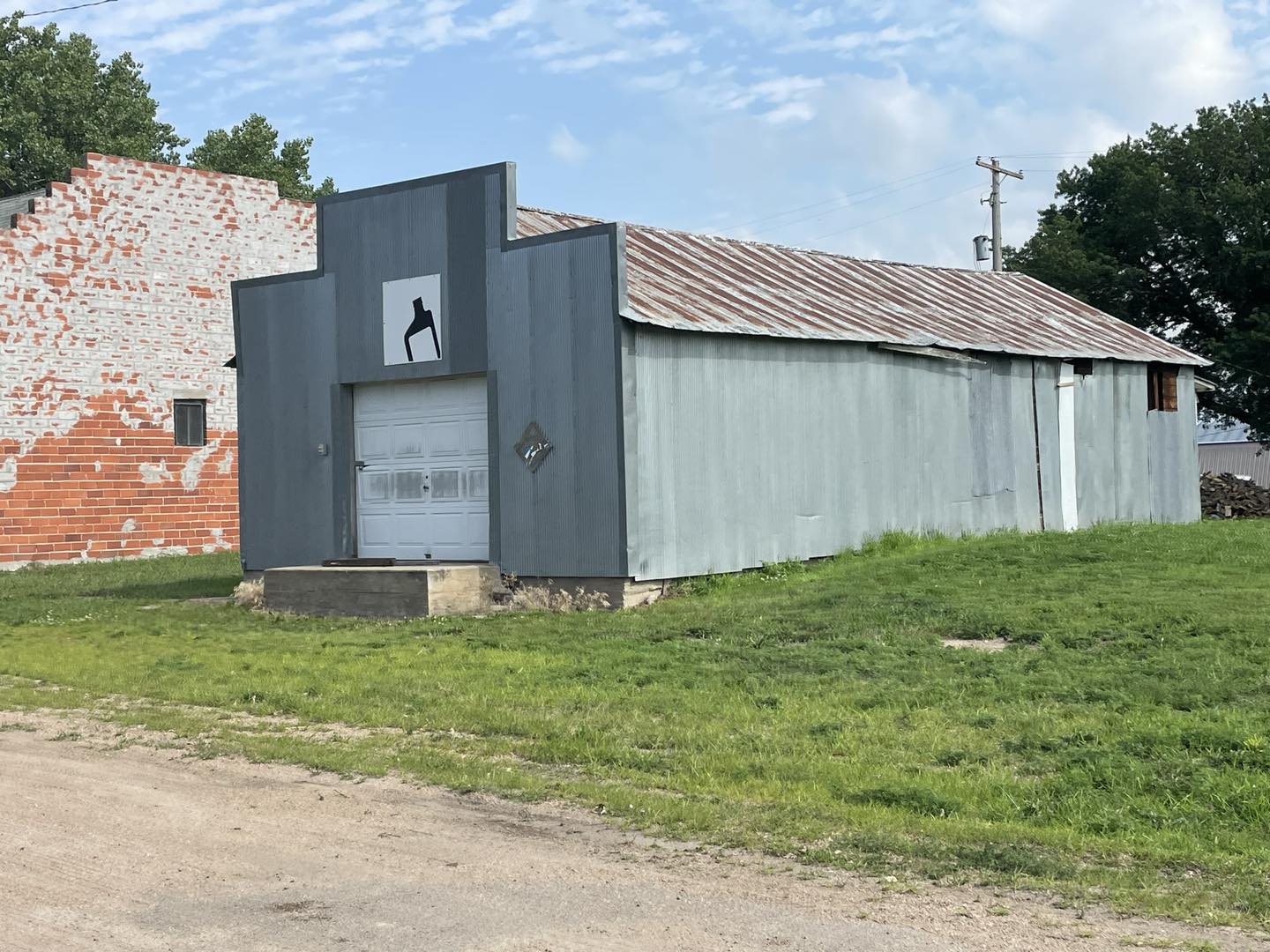
Page Nebraska 68766
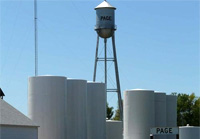
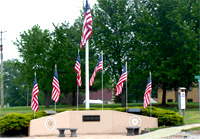

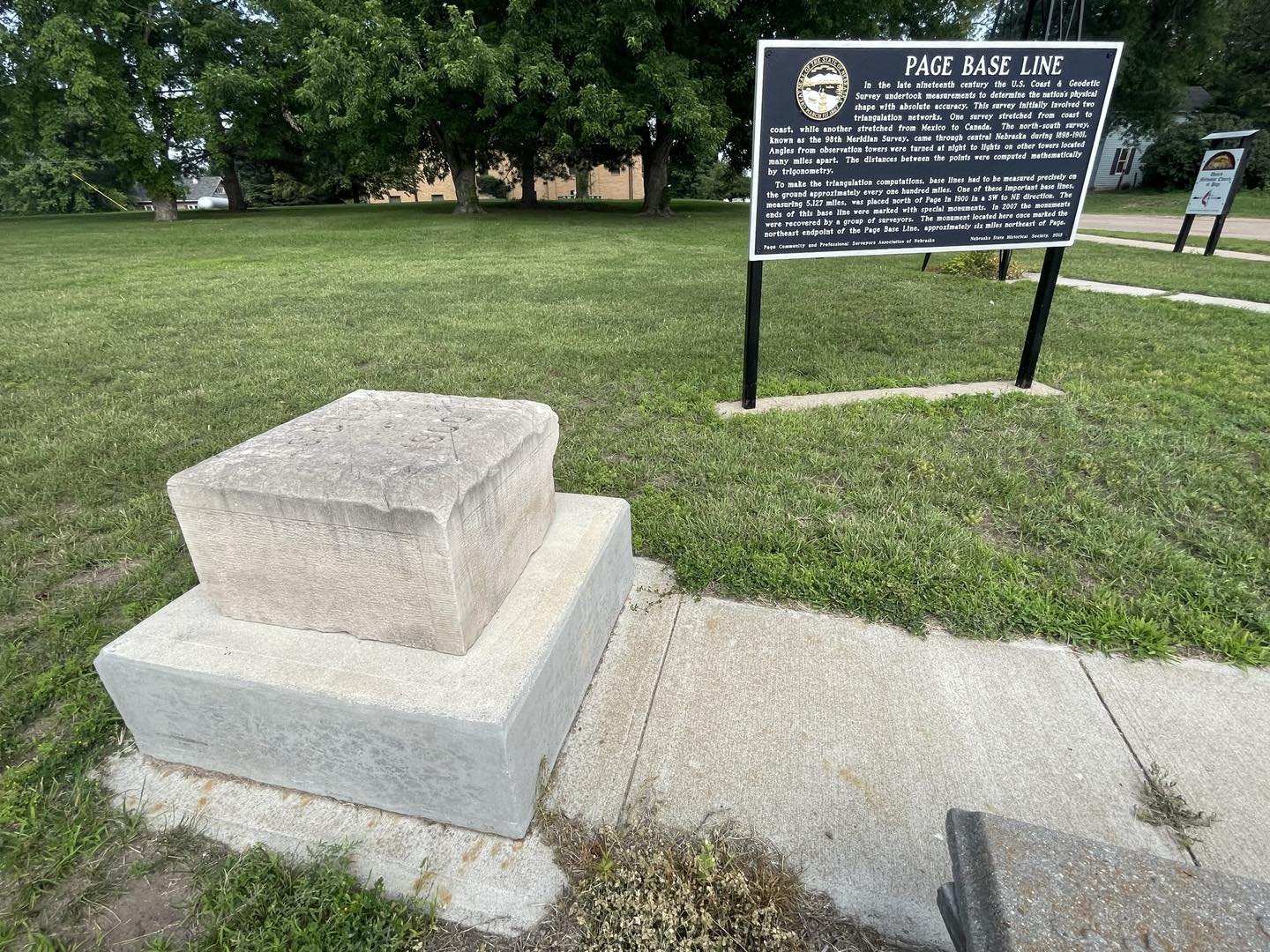
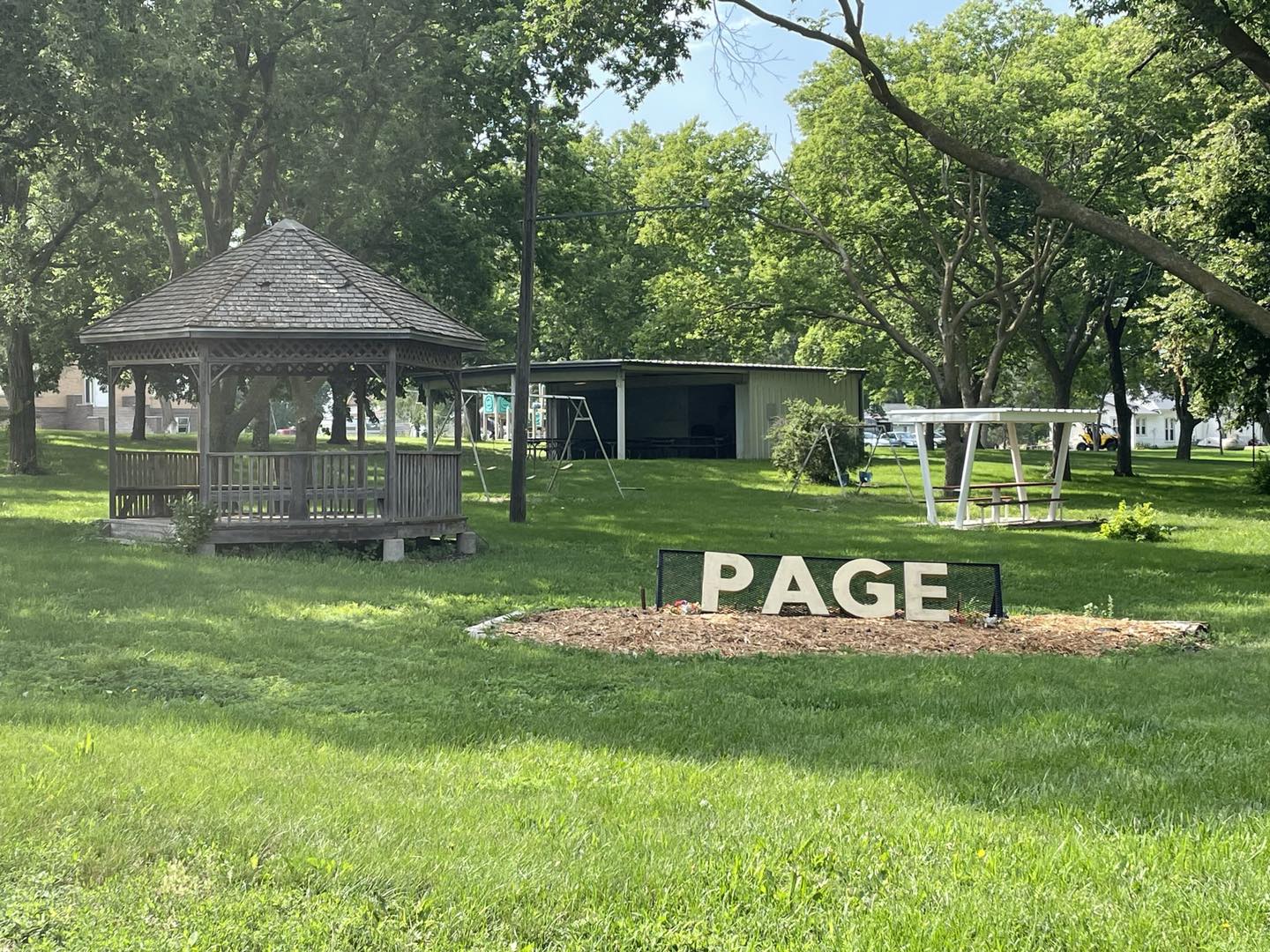
Page, Nebraska is a small unincorporated community in central Holt County, set amid farm and ranch country in the Sandhills Region a few miles east of Inman. What began in 1883 as the Pleasant Valley school district took the name Page when the community's post office opened in 1890, and the town was formally platted in 1892.
Location
- County: Holt County
- Region: Sandhills Region
- Highways: Local county roads
- Nearby Towns:
Inman (6 miles southwest),
Ewing (10 miles southeast),
O'Neill (12 miles northwest)
Adjacent Towns
- Inman - 6 miles southwest
- Ewing - 10 miles southeast
- O'Neill - 12 miles northwest
Adjacent Counties
- Holt County (surrounding)
- Knox County (east)
- Antelope County (southeast)
Points of Interest Near Page
Outdoor & Recreation
- Open farm and ranch country surrounding the town along the Elkhorn River valley
- Country roads connecting Page to the neighboring communities of Inman, Ewing, and O'Neill
Cultural & Historical
- Page Cemetery, established in 1892 and the resting place of twenty-five Civil War veterans among its pioneer families
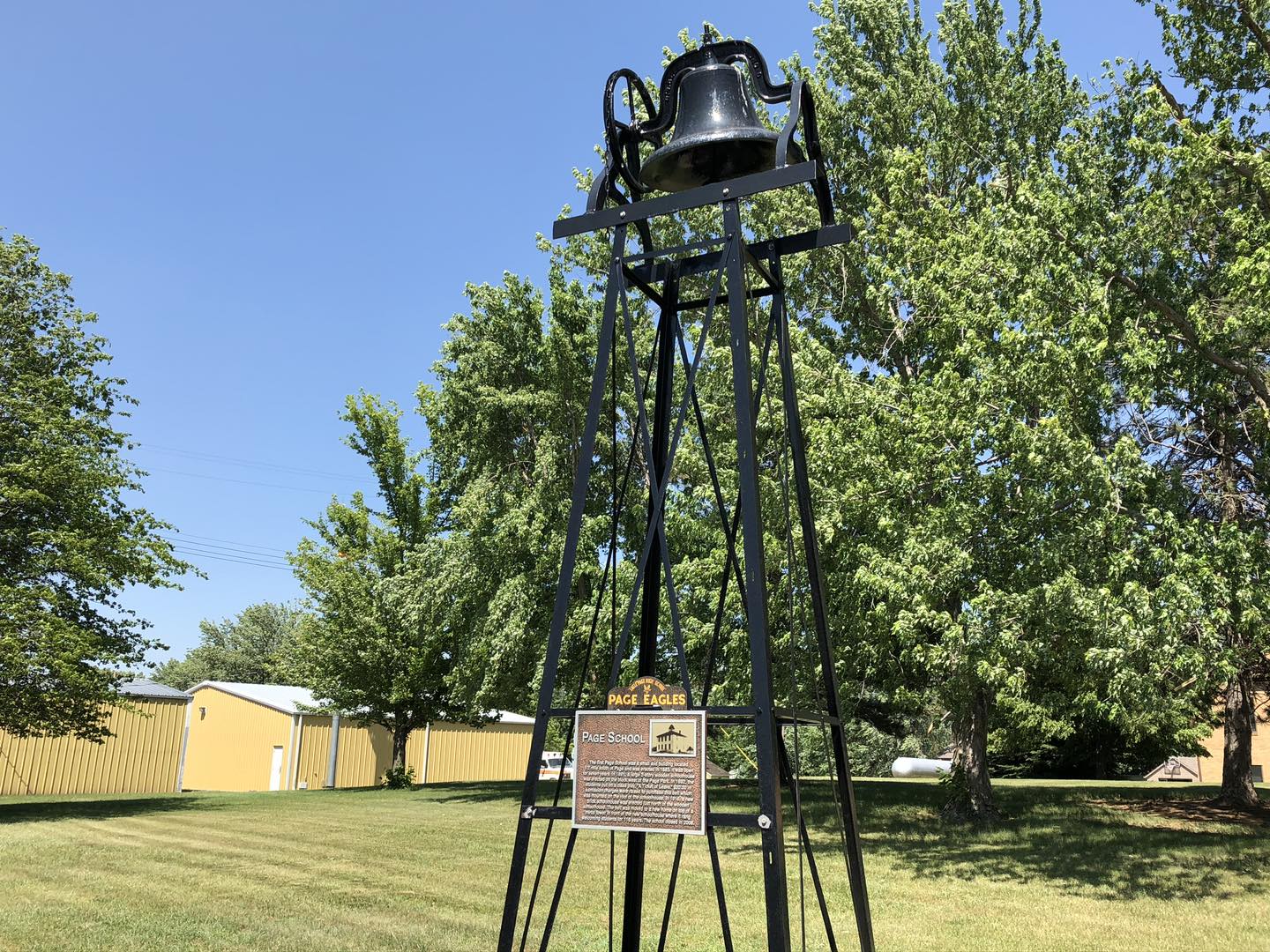
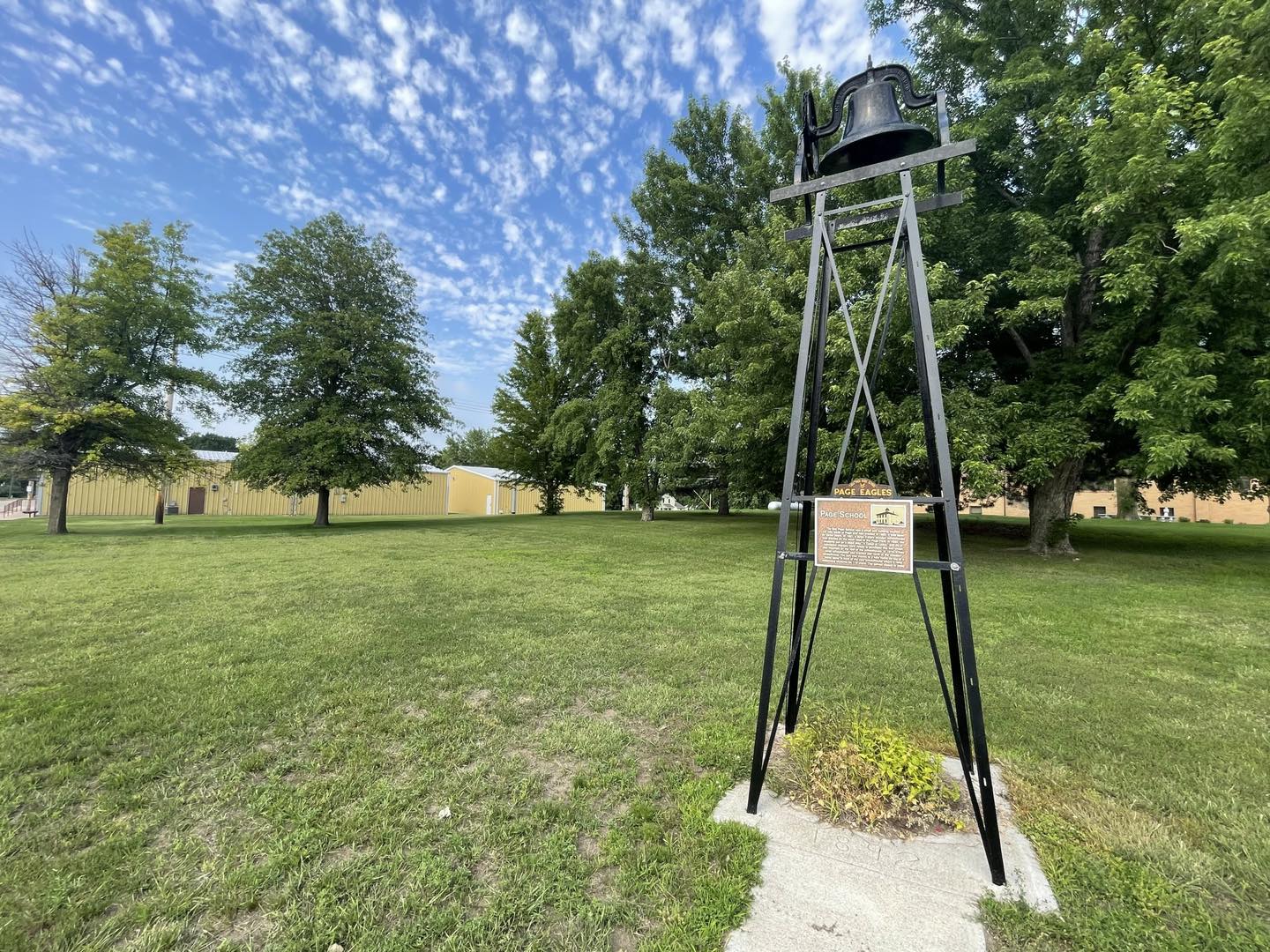
- The site of the original Pleasant Valley schoolhouse, a half mile south of present-day Page
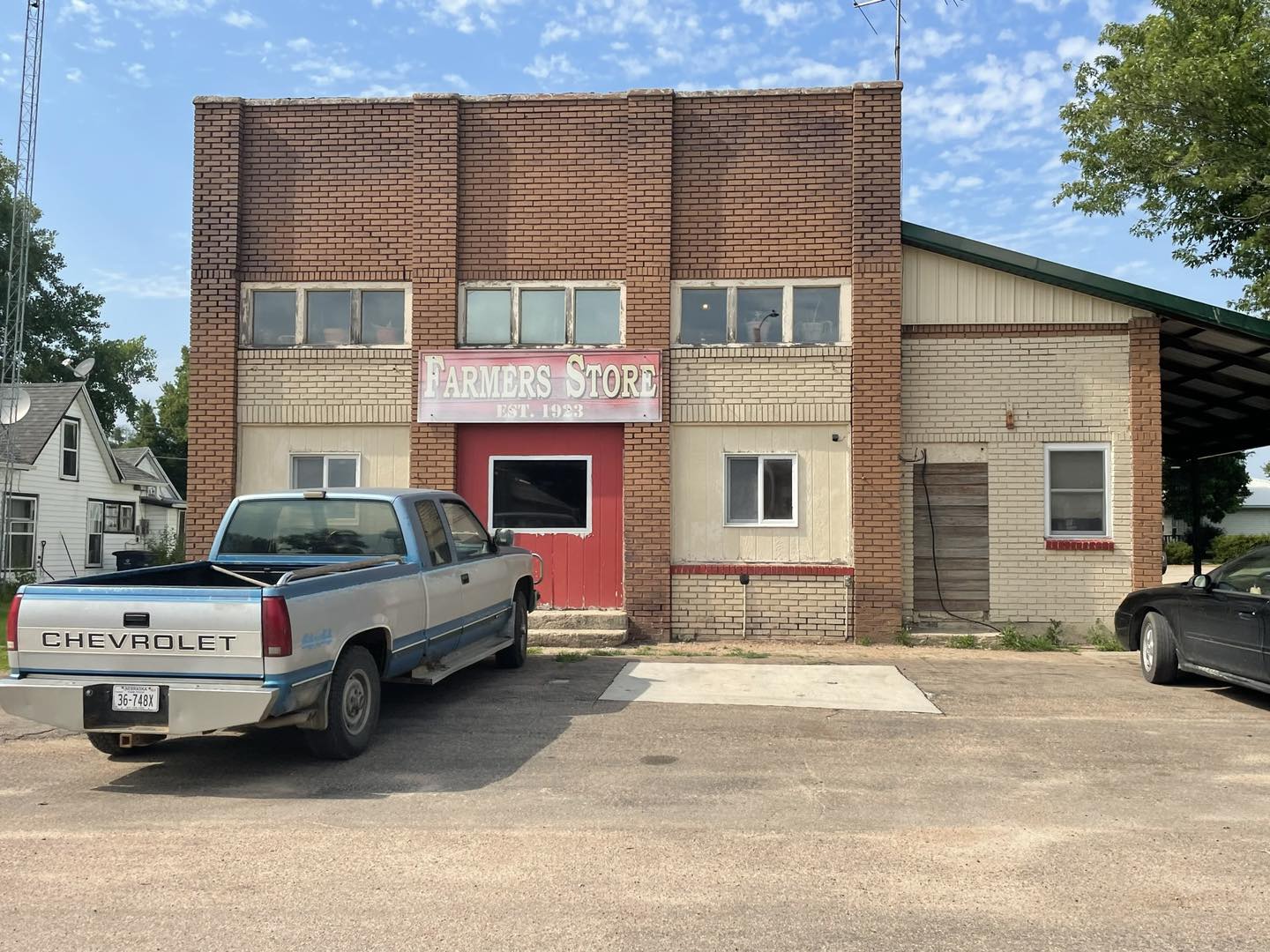
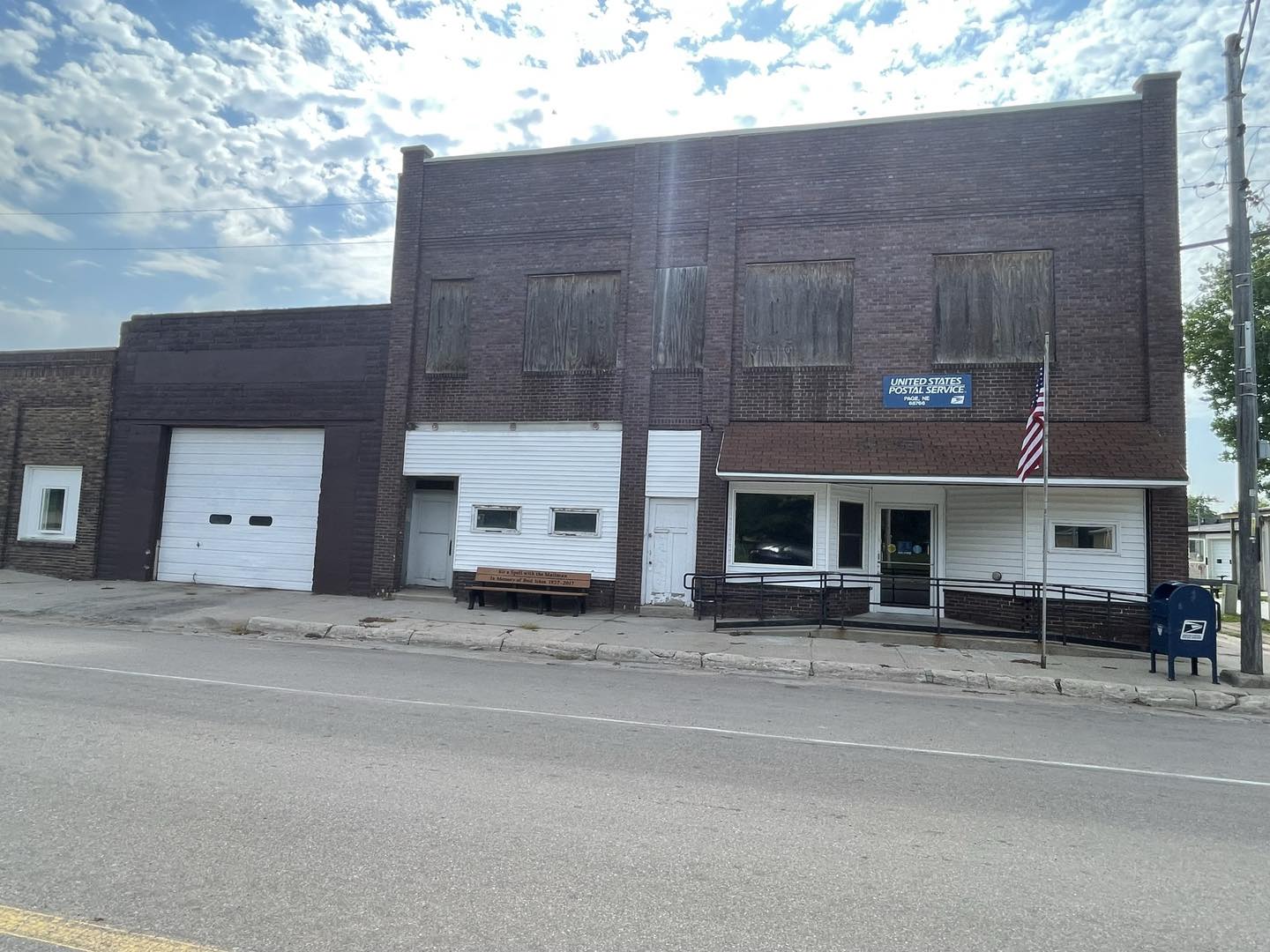
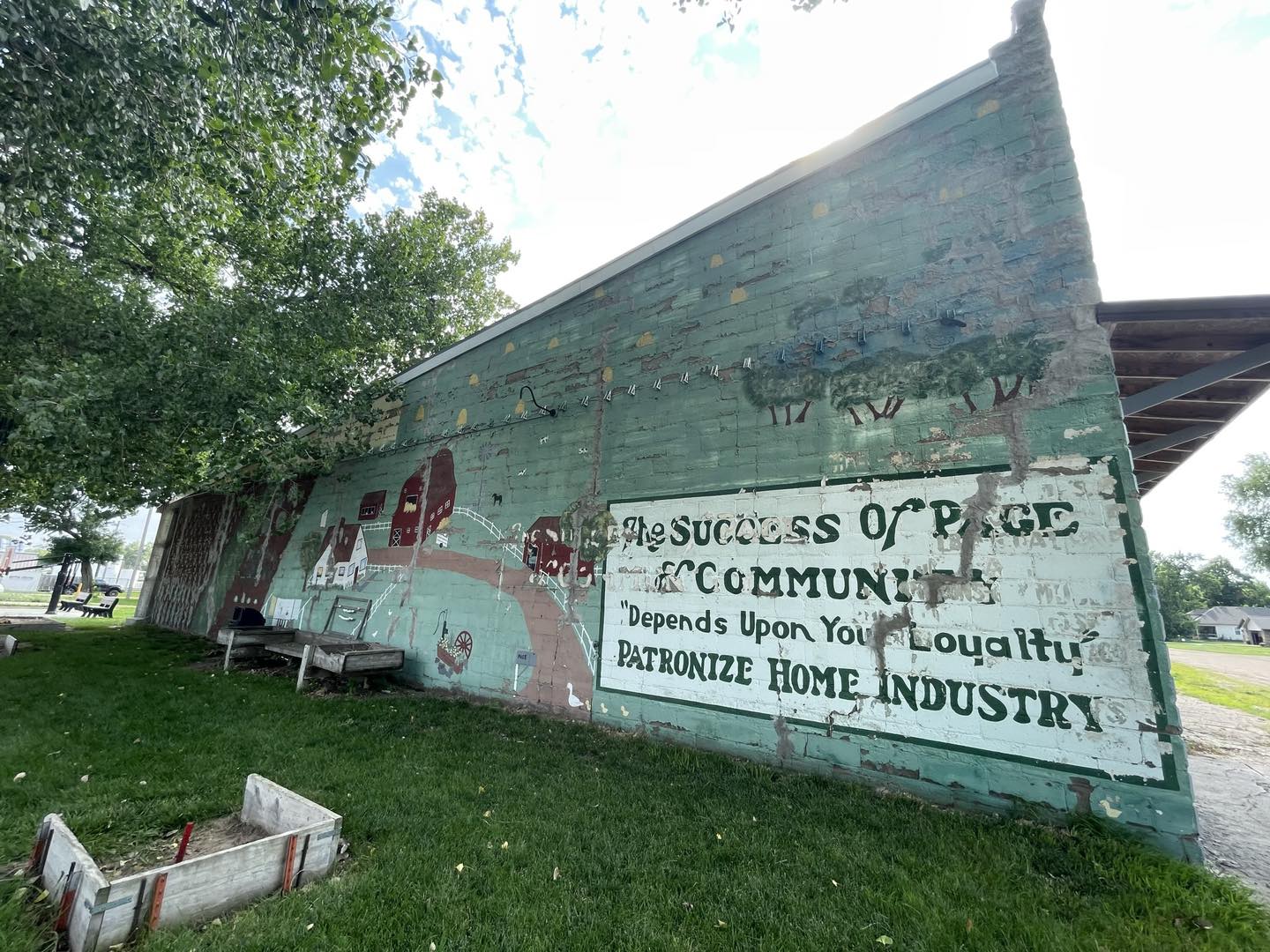
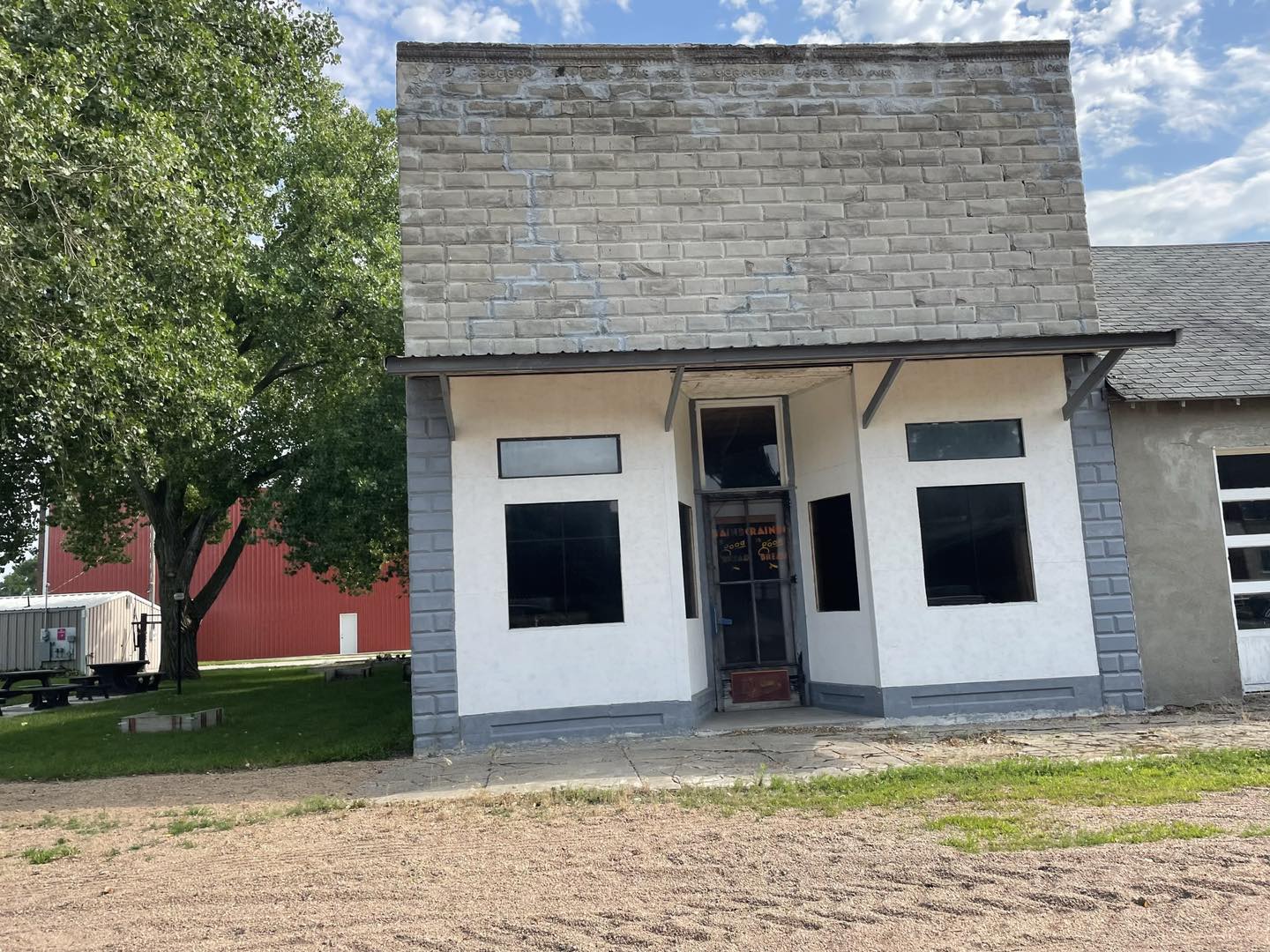
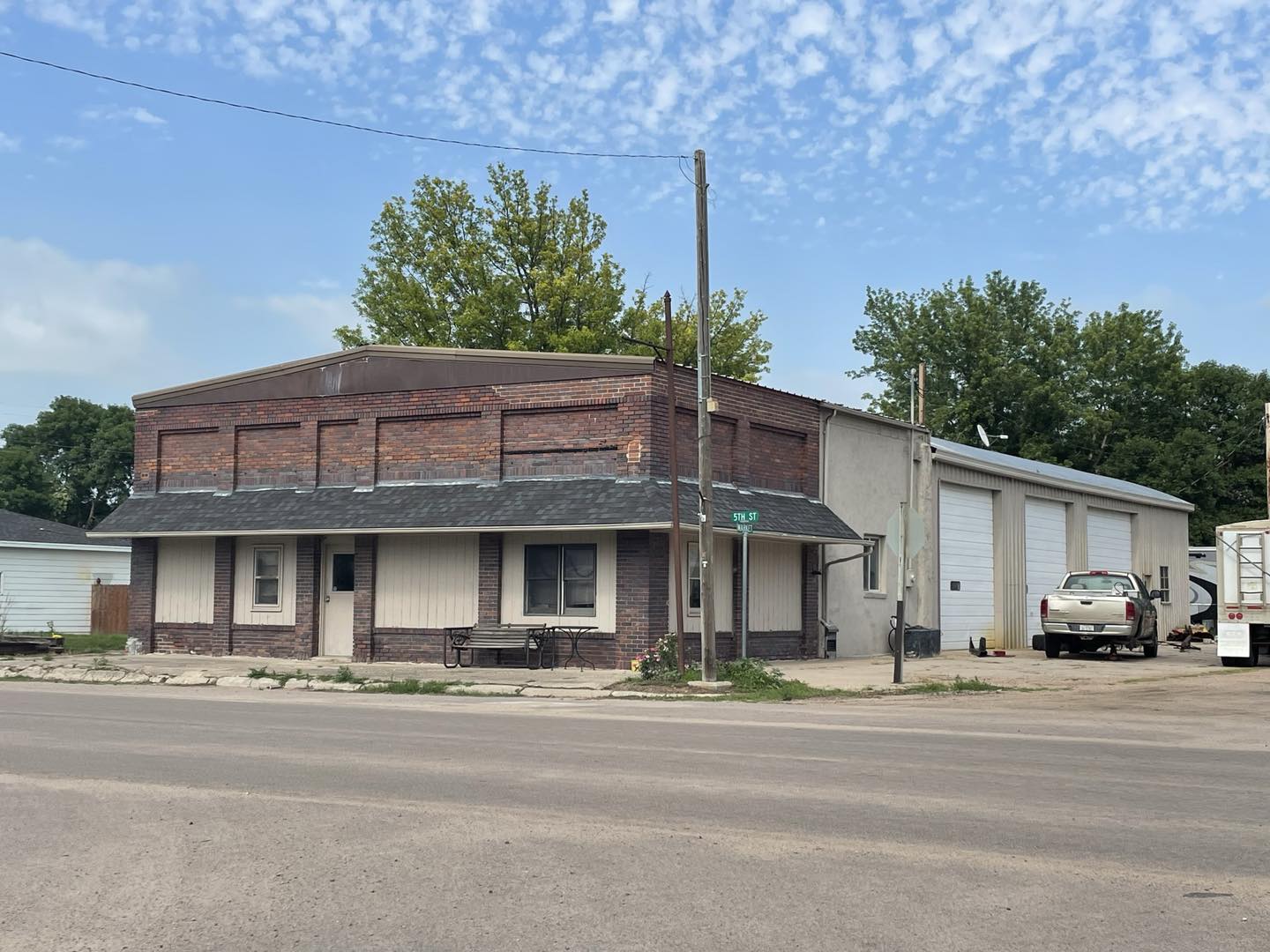
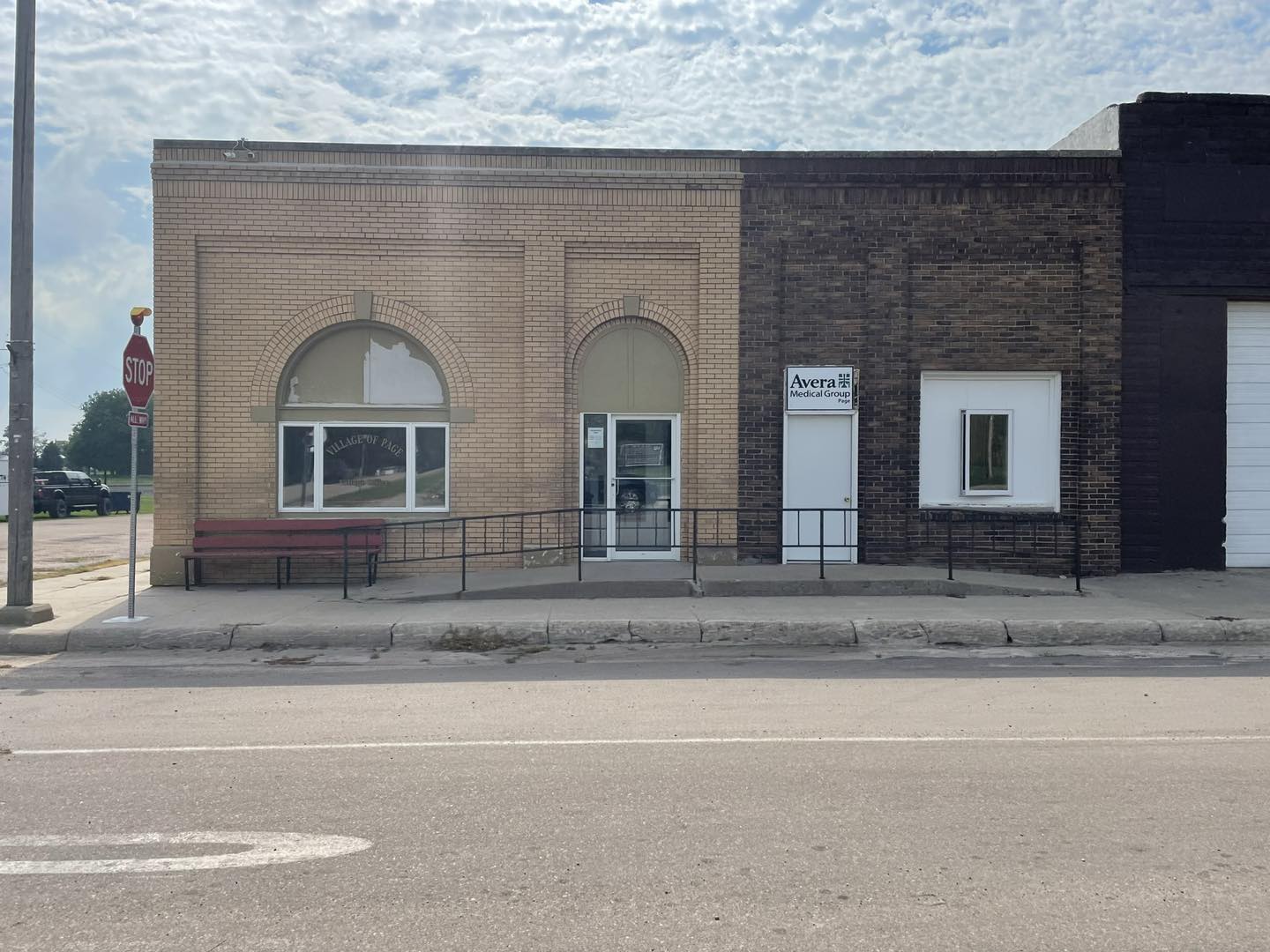
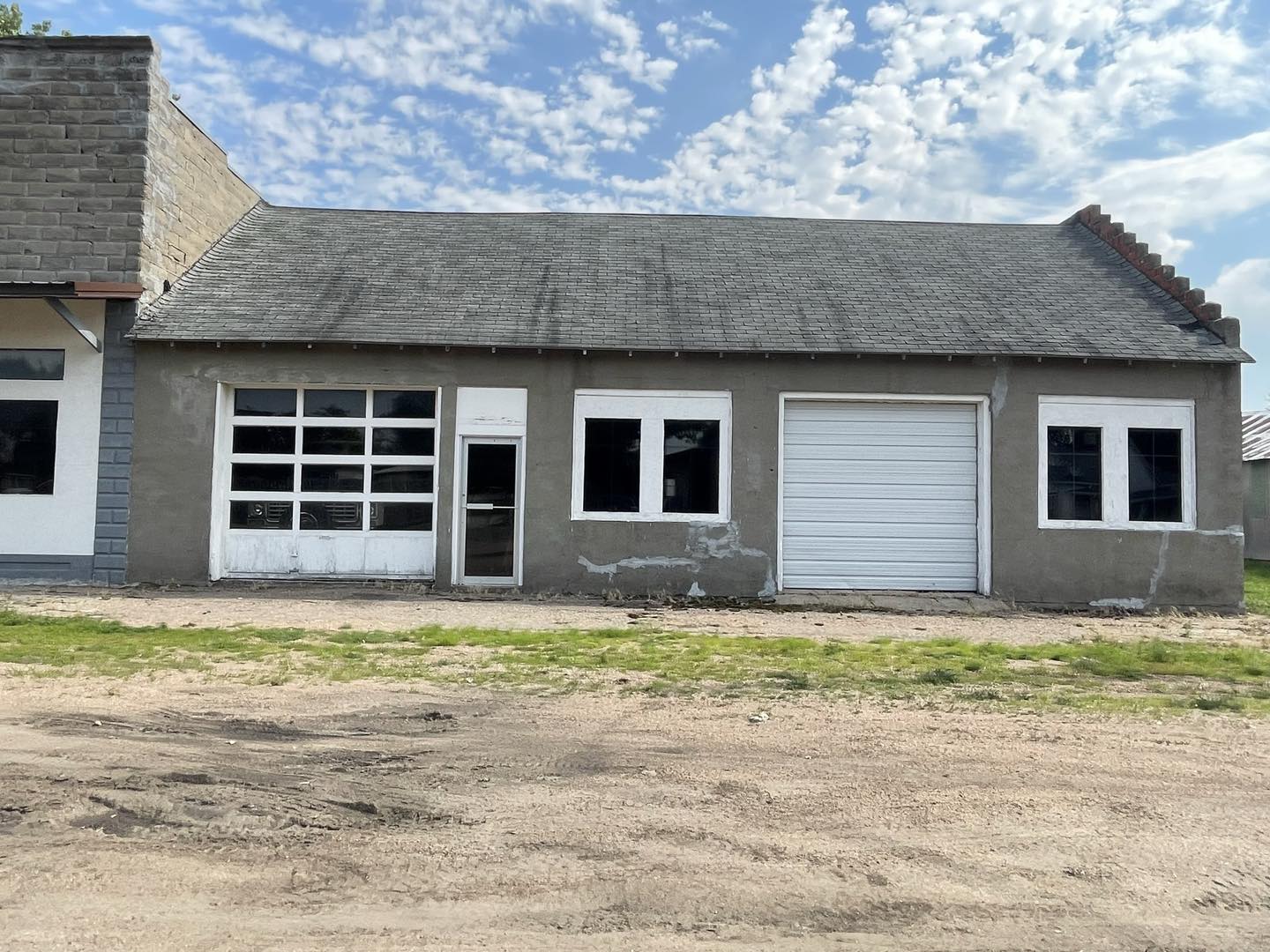
- Downtown Page's early commercial buildings, including the historic Farmers Store
Historical Background
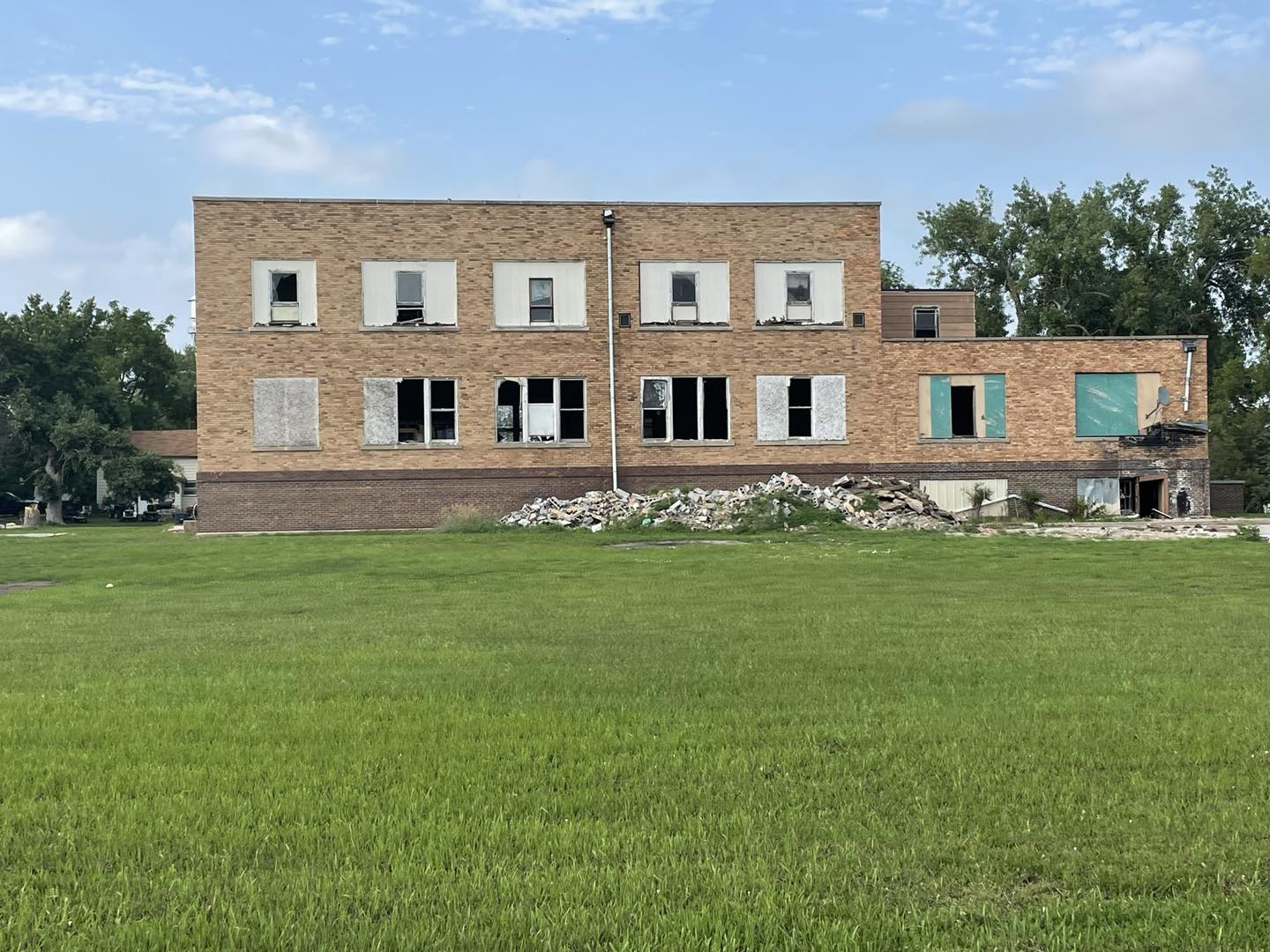
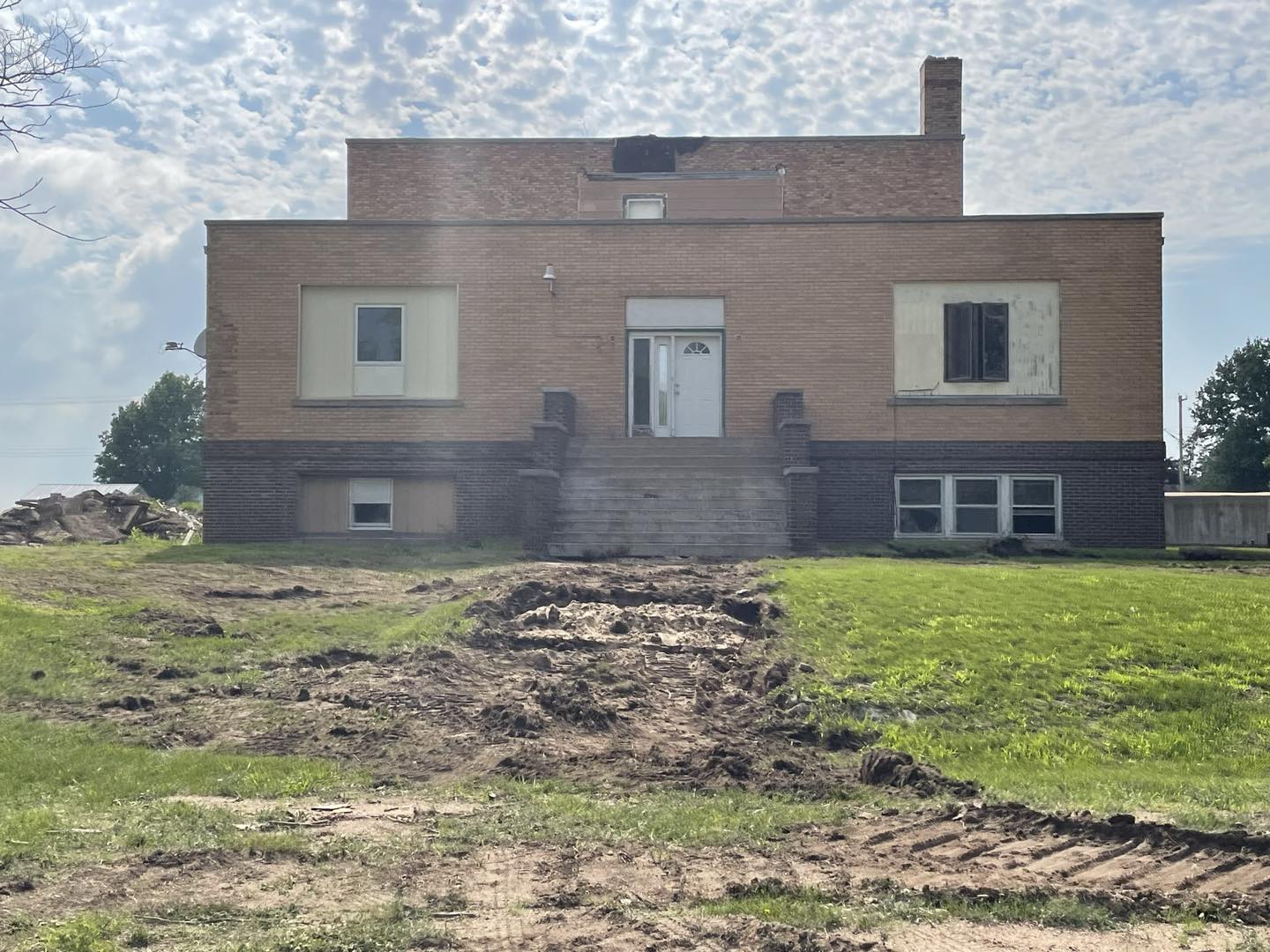
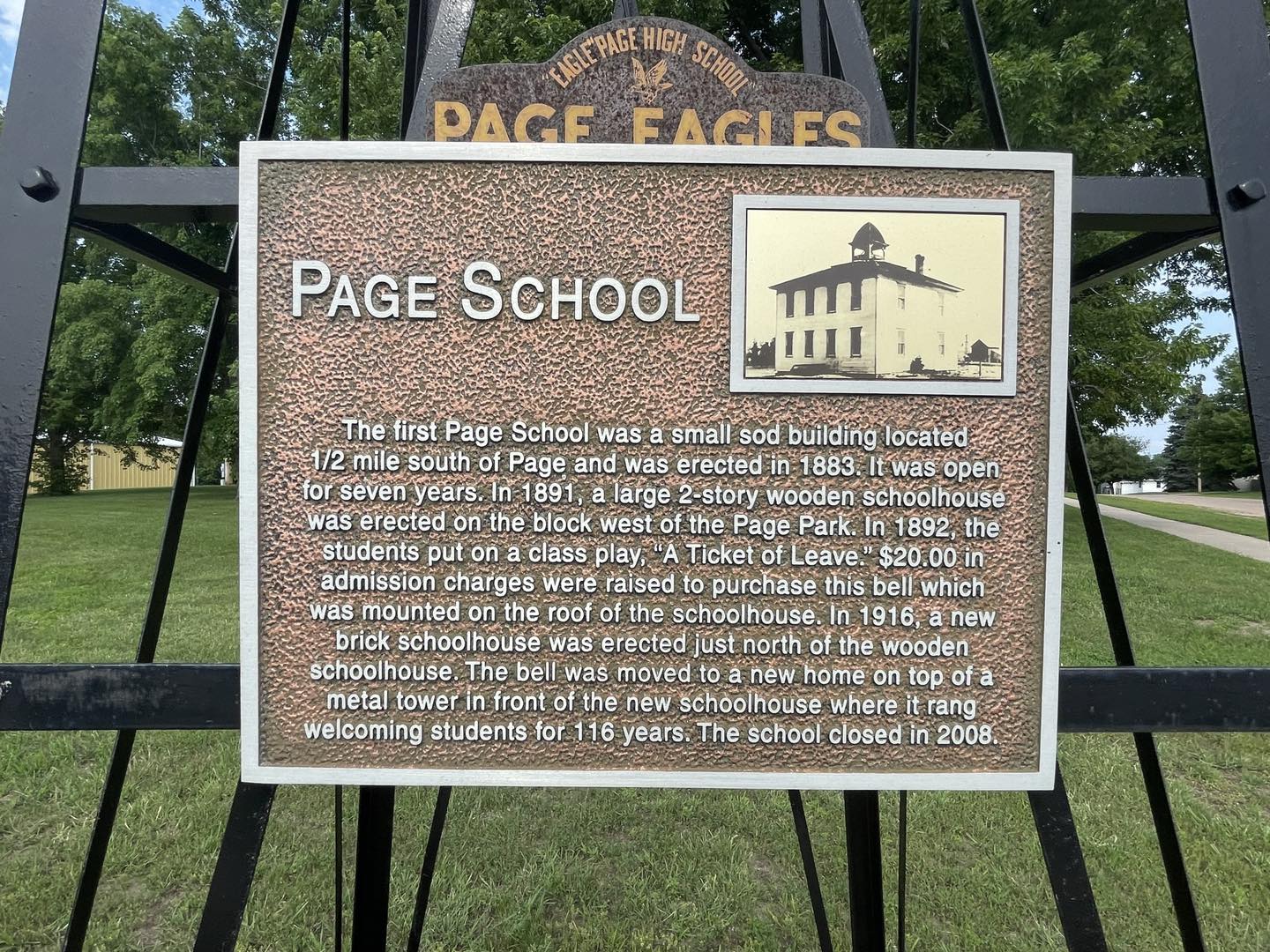
Page traces its roots not to a townsite but to a schoolhouse. In the early 1880s, families bearing the names Hunt, Wood, French, Page, Hunter, Gray, and Wager staked claims in a stretch of prairie a few miles east of Inman, and by the fall of 1883 they had banded together to organize a school district. Neighbors pooled thirty-four dollars to raise a fourteen-by-sixteen-foot schoolhouse of sod-banked boards on an acre leased from R.B. Hunter for ninety-nine years — payment: one dollar. Selinda Page, wife of blacksmith W.W. Page, taught the first classes there, her infant daughter in tow, while neighbors burned hay twisted into ropes to keep the room warm. The settlement and its school took the name Pleasant Valley, and the little building quickly became more than a classroom — it hosted Sunday services, a literary society, and Fourth of July celebrations, with mail and supplies hauled in from the railroad depot at Inman.
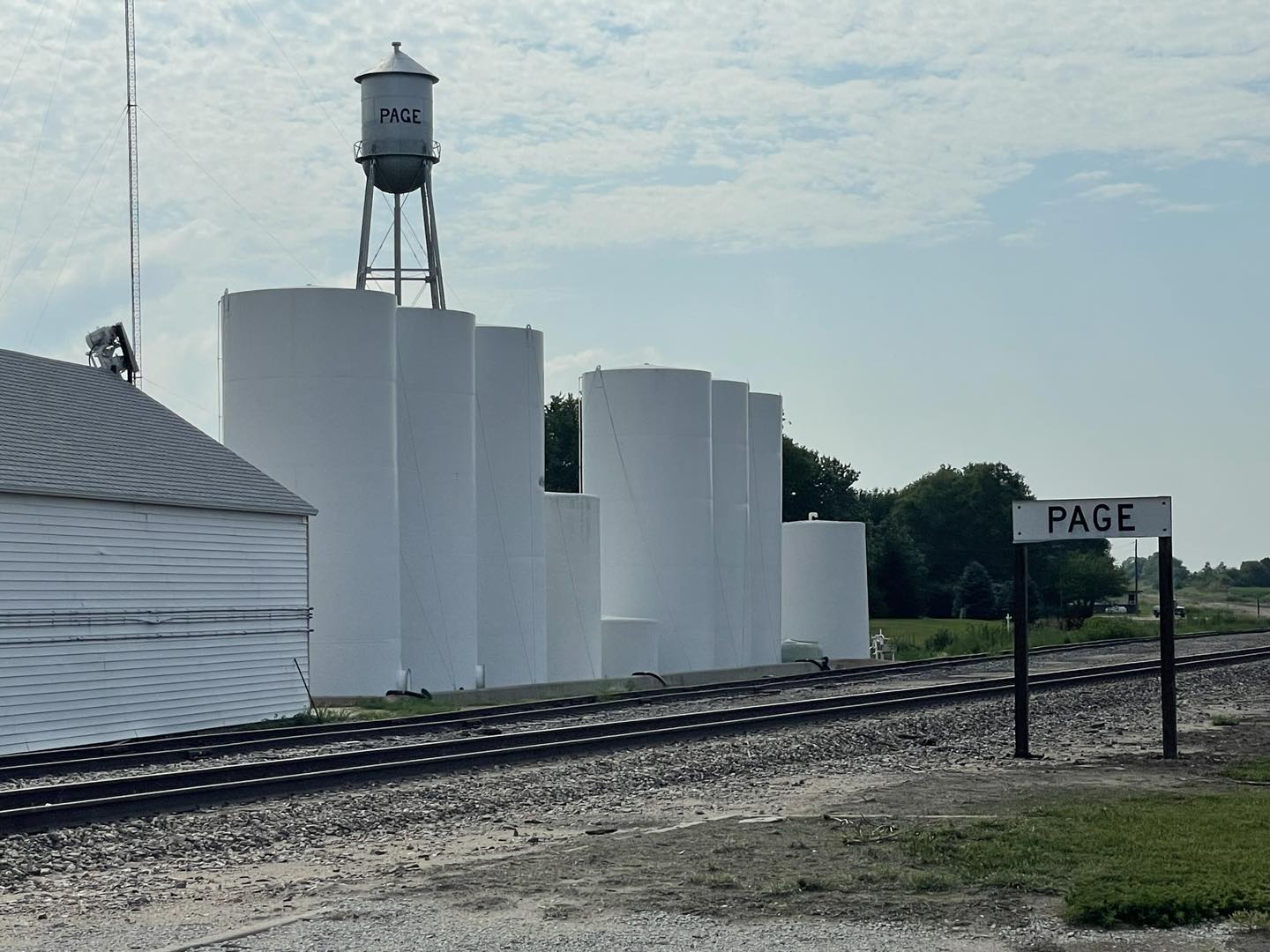
Everything changed when the Pacific Shortline Railroad began pushing west from Sioux City toward O'Neill around 1890. Anticipating the line, the Pages opened a post office in their home that April, naming it Page in Selinda's honor as postmistress, and the community set about platting a proper town where four neighboring homesteads — belonging to the Pages, Robert Gray, and R.B. and George Hunter — happened to corner. Growth came fast: a two-story schoolhouse replaced the old soddy, the Pages built a combination store and post office, an Illinois couple named Coon added a hardware store and lumberyard before frontier life sent them packing east, and by the time the town was formally platted in 1892 Page counted roughly a hundred residents, a bank, a church, and its own newspaper, The Eye.
The young town's history carries its share of hardship and drama alongside its growth. In July 1892, two young Woods sisters drowned in the Elkhorn River while picnicking with their family, becoming the first burials in the town's new cemetery — a plot that today holds the graves of twenty-five Civil War veterans among its pioneer families. A tornado ripped through in 1893, flattening a mill and a homesteader's house, and in 1910 a would-be bank robber's dynamite blast came up empty-handed only because the new safe hadn't yet been delivered and the cashier had stashed the money under a floorboard instead.
What has kept Page's story feeling like one continuous thread rather than a series of accidents is the steadiness of a few families. The Hunter and Gray general store, founded in 1892, stayed in Gray hands for fifty years, and three generations of the Walker family — Jesse, his brother John, and John's nephew Cordes — served successively as Page's postmaster, with Cordes later carrying the rural mail route for decades more. That sense of a small, tightly knit Pleasant Valley community simply relocating itself, business by business and family by family, into a proper town on the new rail line is what still defines Page's quiet, close-knit character today.
Read the full chapter history of Page and Pleasant Valley in Chapter 34 of “Before Today: A History of Holt County, Nebraska.”
Education
Local Schools
- West Holt Public Schools (K-12) serve Page and the surrounding rural area of central Holt County.
Health Resources
Clinics & Local Care
- Local medical clinics and care providers in the region
Hospitals
- Avera St. Anthony's Hospital (O'Neill) — 12 miles northwest
Navigate to Page
Wandermore in Nebraska
Want to see more photos and read up on the history of all 531 of Nebraska’s incorporated communities? I have written a travel guide that features tons of history and access to photos, and useful travel information about restaurants, breweries, golf courses, and more for every town. Join over 9,900 other individuals who have copies of my books and “wander more” across the Midwest! https://wandermorepublishing.com/shop/p/nebraskatravelguide
See something missing or out of date on this page? Help us keep Page accurate — submit a correction or suggest a listing.
Visitor & Travel Categories
Business & Economic Categories
Wandermore in Nebraska
Want to see more photos and read up on the history of all 531 of Nebraska’s incorporated communities? I have written a travel guide that features tons of history and access to photos, and useful travel information about restaurants, breweries, golf courses, and more for every town. Join over 9,900 other individuals who have copies of my books and “wander more” across the Midwest! https://wandermorepublishing.com/shop/p/nebraskatravelguide
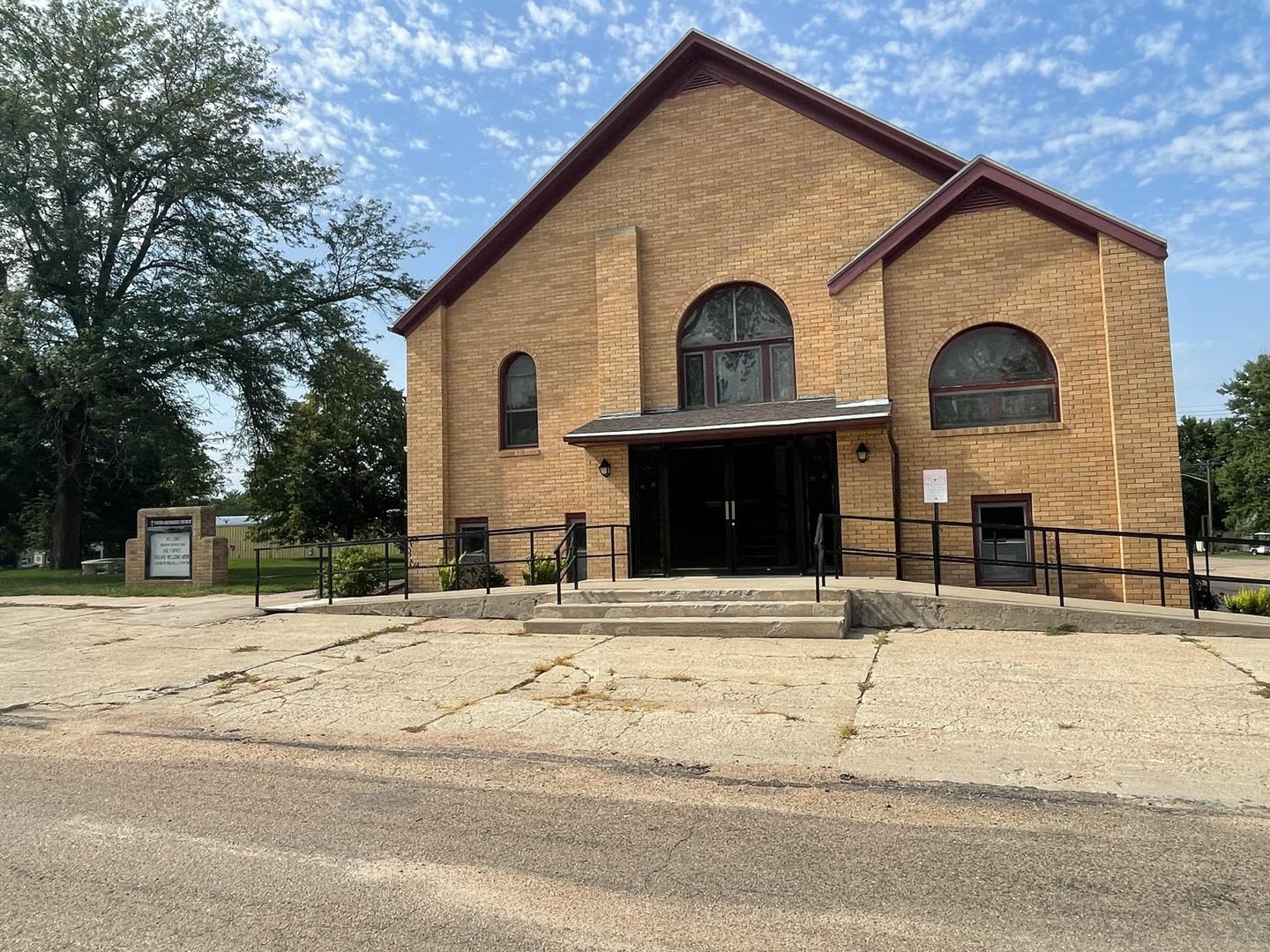
Page Nebraska
356193578_828115758933029_6837259157584051286_n
356195470_828115272266411_1155943779984980097_n
356195741_828116118932993_8646432036372573967_n
356195748_828115275599744_5095352197276595063_n
356195781_828115375599734_19220162357571104_n
356195884_828115845599687_1927623065206149205_n
356196205_828115318933073_9014052910098208338_n
356196436_828115118933093_1227677207320717773_n
356196439_828115445599727_6789306867319183658_n
356196492_828115188933086_2767708231417398425_n
356196598_828115698933035_3917555822645778482_n
356196705_828116162266322_1080681268380715962_n
356197546_828116025599669_4987284022974314870_n
356197565_828115492266389_1095291715723613930_n
356197977_828116165599655_7743646866832202669_n
356198656_828115608933044_5816331736506631239_n
356198744_828115495599722_1259392806165983828_n
356199458_828115502266388_7838306431455788601_n
356199795_828116052266333_3793949608720206257_n
356203043_828115588933046_868972762170651547_n
356220662_828115542266384_8378936207759327794_n
356221392_828115875599684_7575797567857365194_n
356246992_828116178932987_5908901511278771175_n
356416610_828115378933067_4887941627935994620_n
356433126_828115958933009_1112280023640829030_n
356903578_828115372266401_1249004715253238281_n
356906260_828115922266346_3118302350226536652_n
356930977_828116105599661_2475063435457951092_n
358712534_828115335599738_7069126829721205099_n
362295133_828115712266367_493750208051802715_n
362306498_828115682266370_3166919111437360645_n
362523549_828115175599754_3432041544732332910_n
362523578_828115575599714_7837948812977871453_n
362529099_828116075599664_3016902825404739168_n
362537641_828116212266317_6941508893709291868_n
362541870_828115222266416_7685691586738837603_n
362579157_828116015599670_7736872152386725597_n
362628508_828115738933031_4986318614492658131_n
362631107_828115852266353_2308419690959107115_n